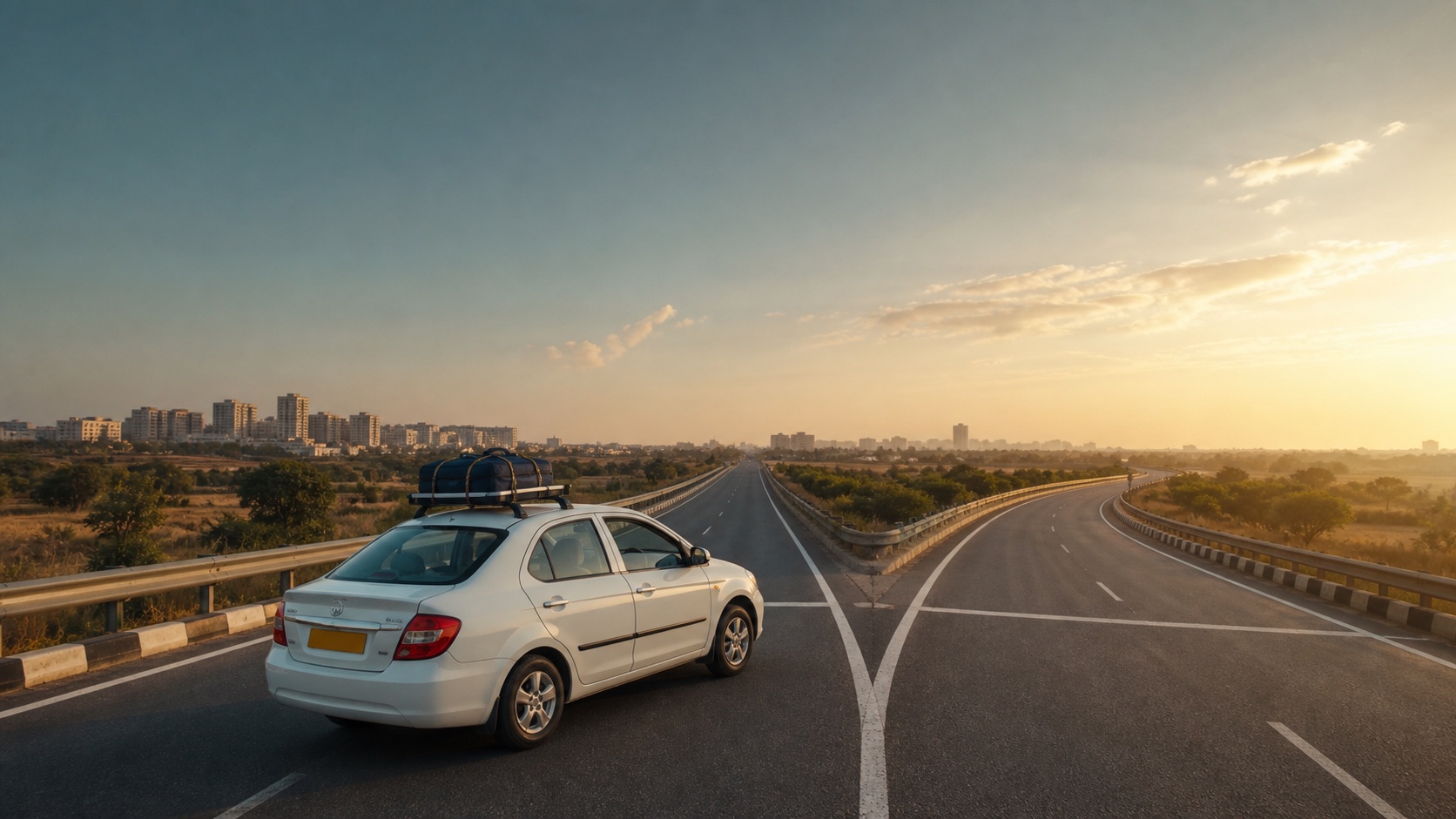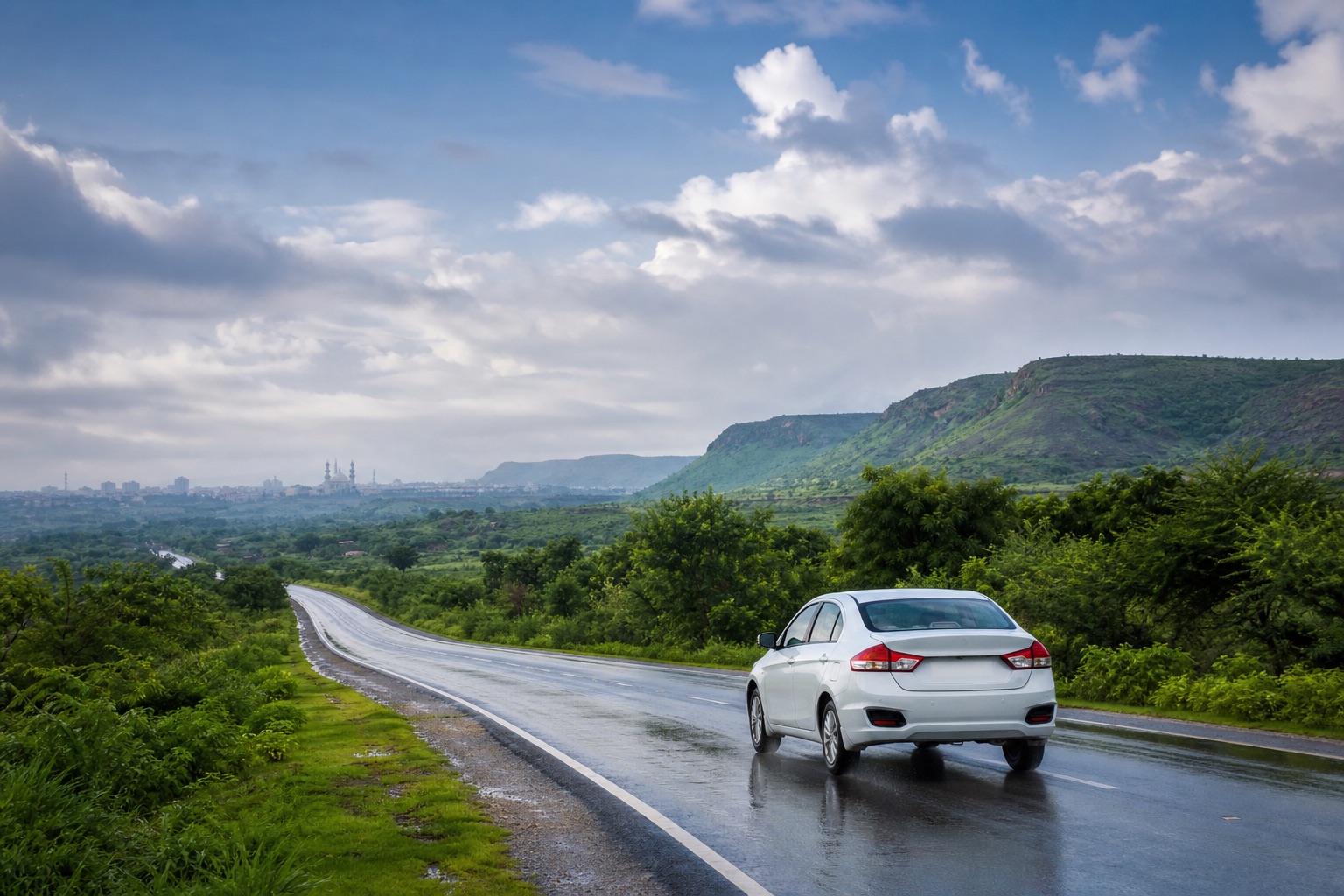

A family road trip can create wonderful memories but travelling long distances with children requires additional planning. Kids may become hungry tired bored or uncomfortable during a long cab journey so preparing before departure can make the experience easier for both children and parents.
From selecting the right vehicle to packing snacks and planning regular breaks several small decisions can improve the overall journey.
This guide shares useful tips for travelling with kids in an outstation cab and explains how parents can prepare for a more comfortable family road trip.
Choose The Right Cab For Your Family
The first step is selecting a vehicle that provides enough space for your family and luggage.
Do not choose a cab based only on the number of available seats. Consider how much luggage you are carrying and how much space your family may need during a long journey.
A smaller family with limited luggage may consider a sedan while families requiring additional passenger or luggage space may prefer an SUV. Larger family groups can consider a Tempo Traveller depending on availability and requirements.
Consider Comfort For A Long Journey
A vehicle that feels comfortable for a short city journey may feel different after several hours on the road.
When travelling with children consider seating space luggage placement journey duration and the number of passengers sharing the vehicle.
A little additional space can make a significant difference during a long road trip.
Pack A Separate Bag For Your Kids
Do not place everything your children may need inside the main luggage.
Prepare a smaller travel bag that remains easily accessible throughout the journey.
This can save you from repeatedly opening larger suitcases during roadside stops.
What To Keep In A Kids Travel Bag
The exact items will depend on the age of your children and the duration of the journey but some useful items can include the following.
- Drinking water
- Light snacks
- Tissues
- Wet wipes
- Extra clothing
- Small towel
- Entertainment items
- Charging cable
- Necessary personal items
Keep anything you expect to use regularly in a place that is easy to reach.
Carry Enough Water
Keeping children hydrated is important during a road journey.
Carry enough drinking water for the initial part of the trip and refill when required at suitable stops.
Avoid keeping all drinks inside the luggage area where they may be difficult to access while travelling.
Pack Suitable Road Trip Snacks
Children can become hungry between planned meal stops so carrying some suitable snacks can make the journey easier.
Choose foods that are easy to carry and convenient to eat inside the vehicle without creating too much mess.
Avoid carrying only heavy meals because lighter options can be more practical during long stretches of driving.
Plan Meal Stops Before The Journey
If your journey is several hours long check the approximate route and identify suitable areas where your family can stop for meals.
You do not need to plan every restaurant in advance but having a basic idea of major towns and rest stops can be useful.
Allow enough time for children to eat comfortably instead of rushing every break.
Take Regular Breaks
Children may find it difficult to remain seated continuously for several hours.
Plan reasonable breaks for washroom visits food stretching and rest.
The number of breaks required will depend on the journey duration age of the children and individual family requirements.
Do Not Make The Schedule Too Tight
Travelling with children often requires more flexibility than travelling alone.
A meal may take longer than expected or your child may need an additional stop during the journey.
Keep some extra time in your itinerary so that these situations do not create unnecessary pressure.
Choose A Suitable Departure Time
Consider your childrens normal routine when deciding when to start the journey.
For some families an early departure may be convenient because it can help avoid part of the city traffic and provide more daylight for the journey.
The best departure time will depend on the route travel duration traffic and your family routine.
Keep Children Entertained
Long journeys can become boring for children so plan simple activities before departure.
Depending on their age you can carry books drawing materials puzzles music or other suitable entertainment.
For longer journeys download digital entertainment before departure if you expect limited internet connectivity on the route.
Try Simple Road Trip Games
Not every activity requires a screen.
Simple family games can make the journey more enjoyable and encourage everyone to interact.
- Spot different vehicle types
- Count cars of a chosen type
- Guess the next town
- Look for landmarks
- Play simple word games
- Talk about the destination
Keep Devices Charged
If children will use a phone or tablet during the journey make sure the devices are charged before departure.
Carrying a charged power bank and suitable charging cables can also be useful during longer journeys.
Download important content before starting instead of depending completely on mobile internet coverage.
Pack An Extra Set Of Clothes
Keep at least one suitable change of clothing easily accessible for younger children during a longer journey.
Food spills motion discomfort weather changes or unexpected stops can make extra clothing useful.
Do not pack every clothing item at the bottom of the main suitcase.
Prepare For Changing Weather
Your starting city and destination may have different weather conditions.
Check the expected weather before departure and carry suitable clothing according to the route and destination.
This becomes particularly important when travelling from plains to hill destinations or during seasonal weather changes.
Organise Your Luggage Properly
Place large suitcases and bags securely in the available luggage area while keeping frequently required items accessible.
Avoid filling passenger seating areas with unnecessary bags because this can reduce comfort during a long journey.
If your luggage requirement is high consider choosing a larger vehicle.
Use Available Seat Belts
Passengers should use available seat belts and follow appropriate road safety practices throughout the journey.
Children should remain properly seated rather than moving around the vehicle while it is in motion.
Parents should arrange any age appropriate child travel safety requirements applicable to their journey before departure.
Avoid Distracting The Driver
Children may naturally become excited during a family trip but the driver should be able to concentrate on the road.
Parents can help manage noise and activities inside the vehicle so that they do not create unnecessary distraction.
Keep Necessary Medicines Accessible
If your child uses any necessary medicine prescribed or recommended for them keep it easily accessible rather than placing it deep inside the luggage.
Parents should follow the instructions provided by their healthcare professional for any medication used during travel.
Prepare For Motion Discomfort
Some children may feel uncomfortable during long road journeys especially on routes with frequent curves.
If your child has experienced this previously plan the journey according to their known needs and follow advice from an appropriate healthcare professional when required.
Regular breaks fresh air and a comfortable journey schedule may also help make travel easier.
Be More Careful On Hill Journeys
Hill routes can involve winding roads and longer travel times than the distance may suggest.
If travelling to a hill destination keep the daily schedule realistic and plan suitable breaks.
Avoid trying to cover too many attractions immediately after a long mountain journey.
Keep Important Details On Your Phone
Save the important information you may need during the journey.
- Cab booking details
- Hotel information
- Destination address
- Important contact details
- Basic itinerary
Keeping this information readily available can reduce unnecessary searching during the trip.
Tell Children About The Journey
Before departure explain the basic travel plan to children who are old enough to understand it.
Tell them approximately where you are going what they may see and when you expect to stop.
Knowing what to expect can make the road trip more interesting and organised for them.
Plan Your First Day Carefully
If you are travelling for several hours avoid creating an overloaded sightseeing schedule immediately after arrival.
Children may need some time to rest after a long road journey.
A relaxed first evening can help the family enjoy the remaining trip more comfortably.
Keep Your Family Road Trip Flexible
Road trips provide flexibility so use that advantage when travelling with children.
If everyone needs a break take one at a suitable location. If the family is tired after reaching the destination consider adjusting non essential activities.
A successful family trip should focus on the overall experience rather than following every minute of the itinerary exactly.
Quick Checklist For Travelling With Kids
- Choose a suitable cab
- Check passenger space
- Check luggage capacity
- Carry drinking water
- Pack suitable snacks
- Keep extra clothing accessible
- Carry tissues and wipes
- Prepare entertainment
- Charge phones and devices
- Plan regular breaks
- Keep important items accessible
- Check the weather
- Keep your itinerary flexible
- Allow extra travel time
- Use available seat belts
Choose Your Family Cab With GetMeCab
GetMeCab provides outstation cab options for different family travel requirements.
Travellers can select a vehicle according to passenger count luggage requirements destination and journey type.
Vehicle availability fares and booking conditions can vary according to the route date and travel requirements so check the latest information for your specific journey before confirming the booking.
Conclusion
Travelling with kids in an outstation cab can be enjoyable when the journey is planned around the needs of the entire family.
Choose a vehicle with suitable space pack essential items separately carry water and snacks and plan enough breaks during longer journeys. Keep children comfortable and entertained while allowing additional time for unexpected stops.
Most importantly avoid making the itinerary too demanding. A relaxed and well planned road journey can help turn the travel itself into an enjoyable part of your family holiday.