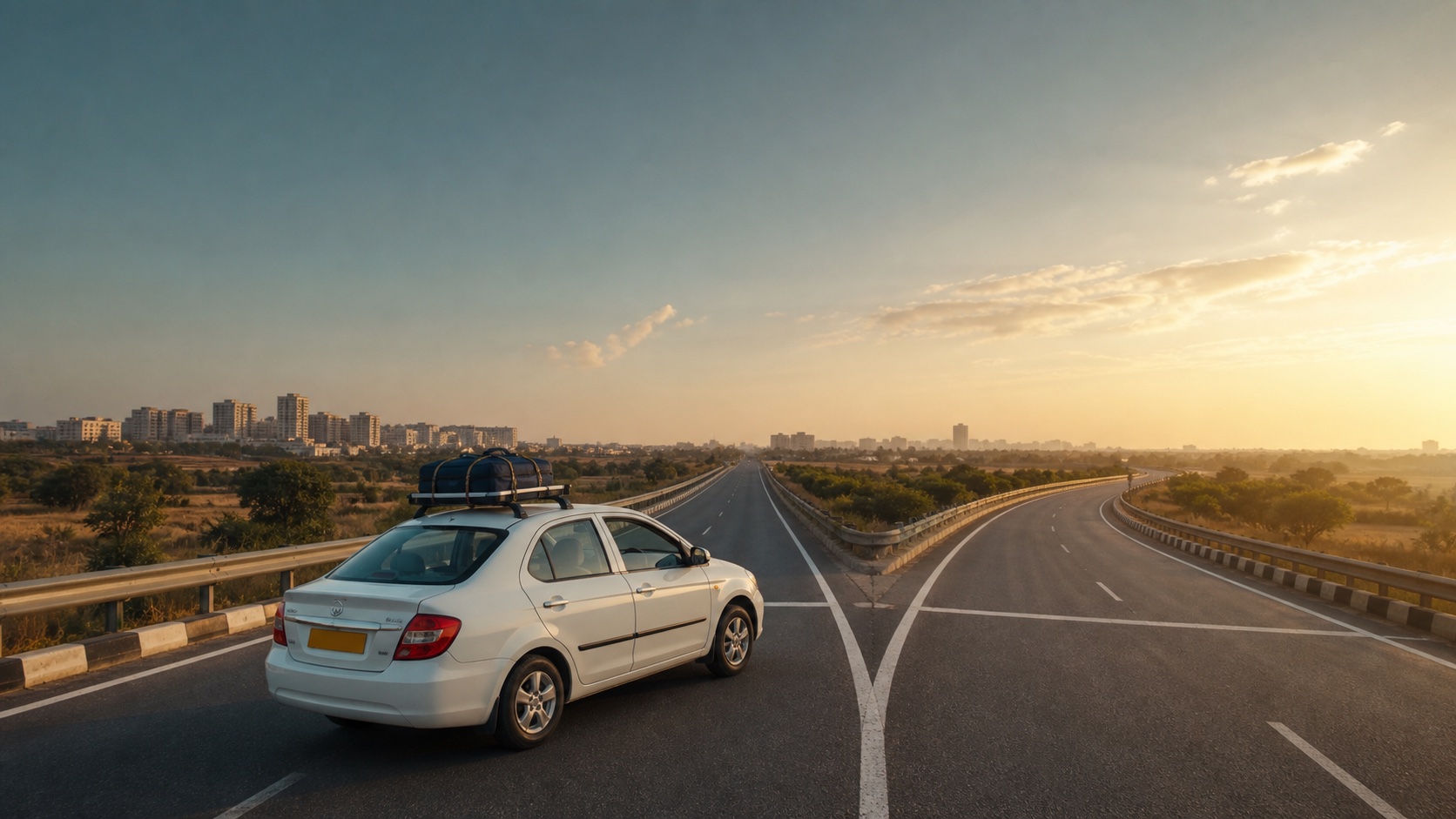

Night cab travel can be useful when you need to reach another city early in the morning catch a flight attend an important event or make better use of your daytime schedule.
However an overnight road journey requires careful preparation. Pickup details route conditions weather passenger comfort luggage communication and rest stops should all be considered before departure.
Night travel should not be planned only around reaching the destination as quickly as possible. A realistic schedule and proper preparation are more important than creating unnecessary pressure during the journey.
This guide explains what to check before starting a night cab journey in India and how to prepare for an overnight outstation trip.
Decide Whether Night Travel Fits Your Trip
Before booking consider why you want to travel at night.
Night travel may fit your itinerary when you have an early morning commitment at the destination or when the overall journey schedule makes an overnight trip practical.
However it should not automatically be selected simply to save a few daytime hours.
Consider The Complete Journey Duration
Check the approximate distance and expected driving time before deciding on an overnight journey.
A relatively short intercity trip and a very long overnight journey have different planning requirements.
Consider how the travel time fits into the activities planned for the following day.
Do Not Judge The Journey Only By Distance
Distance alone does not determine travel time.
Road conditions weather construction diversions city traffic and different types of terrain can affect the journey.
Review the general route and expected travel time before choosing your departure.
Confirm Your Cab Booking Before Departure
Review the important booking information before leaving.
- Travel date
- Pickup time
- Pickup location
- Destination
- Journey type
- Vehicle category
- Passenger count
If your itinerary has changed update or review the relevant booking details before the journey according to the applicable booking conditions.
Confirm The Pickup Location
Night pickups can become confusing when the location is inside a large residential complex hotel airport railway station or commercial area.
Keep the complete pickup information available.
When appropriate choose a practical and clearly identifiable meeting point.
Be Ready Before The Planned Pickup
Complete your packing before the scheduled departure rather than waiting until the cab arrives.
Keep your luggage documents phone and other essentials ready.
This can help the journey begin according to the planned schedule.
Check Your Destination Address
Save the complete destination address before leaving.
If you are travelling to a hotel keep the hotel name address and available contact information accessible.
This is particularly useful when arriving early in the morning or late at night.
Check Hotel Arrival Arrangements
If your overnight journey ends at a hotel review its check in information before departure.
An early morning arrival does not always mean that a room will immediately be available.
If your expected arrival is unusual check the relevant arrangements with the accommodation in advance.
Review The Route Before Starting
Check the general route between your pickup location and destination.
You do not need to plan every turn yourself but understanding the main cities highways or important sections can help you understand the overall journey.
For long trips also identify general areas where reasonable breaks may be available.
Check Current Road Conditions
Road conditions can change because of construction weather diversions local restrictions or other factors.
Review current information when relevant before beginning a long overnight journey.
Allow flexibility if conditions require changes to the original travel plan.
Check The Weather Before Departure
Weather can have a significant effect on night road travel.
Heavy rain fog storms and other conditions may affect visibility and travel time.
Check the latest forecast for both the destination and important areas along your route where practical.
Allow Additional Time During Difficult Weather
If poor weather is expected do not build your itinerary around the fastest possible travel time.
Keep additional buffer time and be prepared for the journey to take longer.
Your schedule should remain flexible enough to respond to actual road and weather conditions.
Plan Winter Night Journeys Carefully
Winter can bring cold temperatures and in some regions fog that may affect road travel.
Check current conditions before departure and carry appropriate clothing for your route and destination.
Allow additional time when weather conditions may affect the journey.
Plan Monsoon Night Journeys Carefully
Heavy rain can create waterlogging reduced visibility and changing road conditions.
Review current weather and relevant road information before departure.
If severe conditions affect the planned route follow applicable local travel guidance and keep the itinerary flexible.
Consider Hill Roads Separately
A night journey involving mountain roads requires additional planning because travel time can be affected by curves elevation weather fog and local road conditions.
Check current information for the specific hill route rather than assuming that normal highway travel estimates will apply.
If conditions are unsuitable be prepared to adjust the itinerary.
Choose The Right Vehicle
Vehicle selection should be based on passenger count luggage journey duration and travel requirements.
A smaller group may consider a sedan while families requiring additional space may consider an SUV. Larger groups can consider a suitable Tempo Traveller depending on route availability and requirements.
Choose the vehicle according to the complete journey rather than only the initial fare.
Consider Passenger Comfort
An overnight journey can involve several hours inside the cab.
Make sure the selected vehicle provides practical seating for the number of passengers travelling.
Avoid overcrowding the vehicle or filling passenger space with unnecessary luggage.
Count Your Luggage
Confirm how many major bags and suitcases the group will carry.
This is especially important for airport transfers family holidays and multi day journeys.
Consider both seating and luggage requirements before finalising the vehicle category.
Keep Important Items Accessible
Do not place everything inside luggage that is difficult to reach during the journey.
Prepare a smaller travel bag containing items you may need overnight.
- Drinking water
- Light snacks
- Phone
- Phone charger
- Power bank
- Necessary medicines
- Tissues
- Hotel information
- Essential documents
- Suitable clothing when required
Charge Your Phone Before Departure
A charged phone is important for communication booking information destination details and other travel requirements.
Charge it before leaving and carry an appropriate charging cable.
A power bank can provide additional backup during a long overnight journey.
Keep Important Phone Numbers Available
Save relevant travel hotel family or destination contact information before departure.
Do not depend on searching for every detail after the journey has already started.
Share Your Basic Journey Plan
When appropriate let a family member colleague or other relevant person know your basic travel plan.
This may include your departure time destination and expected arrival window.
If your journey schedule changes significantly you can update the relevant person when practical.
Keep Your Booking Information Accessible
Save the relevant cab booking information on your phone before departure.
This avoids searching through multiple messages or emails when you need to review a detail.
Keep Identification And Travel Documents Ready
If your journey connects with a flight train hotel or event make sure the necessary documents are packed before departure.
Keep important documents somewhere secure but accessible.
A quick check before leaving can prevent discovering a missing item after travelling a significant distance.
Plan Reasonable Breaks
A long overnight journey may require breaks according to the route and passenger requirements.
When planning the trip consider major towns highway facilities or other suitable stopping areas.
Do not build the schedule around continuous travel with no flexibility for reasonable stops.
Choose Stops Carefully
For overnight journeys prefer appropriate established stopping locations when breaks are required.
Planning general stopping areas before departure can be more practical than waiting until the group urgently needs a break.
Carry Drinking Water
Keep enough drinking water accessible for the expected journey.
Do not assume that a convenient shop or restaurant will always be available exactly when you need one during late night travel.
Carry Light Snacks
A small amount of suitable food can be useful during an overnight journey.
Carry simple snacks according to your personal requirements particularly when travelling with children or when the route has long gaps between planned stops.
Plan Meals Before Departure
Depending on the departure time it may be practical to have dinner before beginning the journey.
For longer trips identify general areas where suitable food stops may be available.
Avoid creating an itinerary that depends on finding a specific restaurant open at an unusual hour unless you have checked current information.
Keep Necessary Medicines Accessible
If any passenger uses regular medication keep the necessary medicine accessible during the journey.
Do not store essential medication deep inside luggage that is difficult to reach.
Follow guidance from an appropriate healthcare professional regarding medication use.
Consider Children Before Planning Overnight Travel
Night travel can affect children differently depending on their age and routine.
Keep water snacks tissues and other necessary items accessible.
Consider whether the complete journey schedule including the following day is suitable for the children travelling.
Consider Senior Citizens
Senior citizens may require additional attention to seating comfort rest breaks medicines and journey duration.
Avoid overcrowding the vehicle and keep necessary items accessible.
Consider whether an overnight journey fits their travel requirements before finalising the itinerary.
Do Not Overload The Following Day
Reaching a destination early does not necessarily mean the entire following day should immediately be filled with activities.
An overnight road journey can be tiring for passengers.
Keep the arrival schedule realistic particularly for family holidays and long distance journeys.
Night Cab Travel For Airport Transfers
Night cab journeys are often used for early morning flights.
For airport travel consider expected road time terminal information and the time you need to reach the airport before departure.
Follow current airline and airport guidance when deciding your required arrival time.
Check Your Flight Before Leaving
For an airport transfer review the latest available flight information before starting the road journey.
Keep the flight number airline and terminal details accessible.
Schedules and operational information can change so use current information rather than relying only on an old screenshot.
Night Cab Travel For Railway Stations
If your night journey ends at a railway station confirm the correct station before leaving.
Some cities have several major stations and selecting the wrong one can create unnecessary difficulty.
Keep your train information and station details accessible.
Night Travel For Business Journeys
Some travellers use overnight cab journeys to reach another city for an early meeting or business event.
Consider whether the travel schedule leaves enough time to rest and prepare before the commitment.
Keep important work items documents chargers and destination details accessible.
Night Travel For Pilgrimage Trips
Some pilgrimage journeys begin overnight to reach a destination for morning darshan or another religious activity.
Check current temple timings route conditions and accommodation arrangements before departure.
Avoid creating an itinerary that depends on an exact arrival when road conditions may affect travel time.
Do Not Create Pressure To Reach At An Exact Minute
Road travel can be affected by circumstances that are difficult to predict.
Keep enough buffer time before flights trains meetings darshan or other time sensitive commitments.
A realistic schedule is more practical than depending on the shortest possible travel time.
Avoid Major Last Minute Itinerary Changes
Adding a distant stop after the journey has started can increase travel time and change the expected arrival.
Before making a significant route change consider the additional distance timing and booking implications.
One Way Or Round Trip Night Cab
Choose the journey type according to your complete itinerary.
If you only need transportation to another city airport or station and will continue using another mode of transport a one way option may be considered.
If the journey includes travelling to the destination and later returning to the starting city by road a round trip or another suitable itinerary based booking may better match your plan.
Review Fare Details Before Departure
Check the fare information and booking conditions applicable to your specific journey.
Depending on the booking there may be conditions related to distance tolls taxes parking waiting time driver related charges or additional kilometres.
Review the latest information for your actual route and booking rather than assuming every journey follows identical conditions.
Keep Some Flexibility In Your Arrival Plan
Traffic weather and road conditions can change during a long overnight journey.
When possible avoid scheduling several activities immediately after arrival.
Some flexibility can make unexpected delays easier to manage.
Do A Final Check Before Leaving
A few minutes spent checking the important details can prevent avoidable problems later.
Confirm your destination luggage phone documents booking information and essential travel items before starting the journey.
Night Cab Journey Checklist
- Confirm the travel date
- Confirm pickup time
- Confirm pickup location
- Check the destination address
- Confirm passenger count
- Choose a suitable vehicle
- Count major luggage items
- Review the route
- Check current road conditions when relevant
- Check the weather
- Keep buffer time
- Charge your phone
- Carry a power bank
- Keep booking information accessible
- Keep important documents ready
- Carry drinking water
- Carry light snacks
- Keep necessary medicines accessible
- Plan reasonable breaks
- Save hotel or destination information
- Share the basic journey plan when appropriate
- Review fare and booking details
Plan Your Night Cab Journey With GetMeCab
GetMeCab provides outstation cab booking options for different types of intercity journeys including family travel airport transfers business trips and longer road journeys.
Travellers can choose an appropriate vehicle according to passenger count luggage destination journey duration and travel requirements.
Vehicle availability fares route conditions and booking requirements can vary according to travel date destination vehicle category weather and journey requirements so review the latest information relevant to your specific trip before confirming your booking and before departure.
Conclusion
Night cab travel can be a practical option for certain outstation journeys airport transfers business trips and early morning travel plans but preparation is important.
Confirm your booking and destination check current weather and route conditions choose a vehicle with appropriate passenger and luggage space and keep your phone documents water medicines and other essentials accessible.
Most importantly avoid planning the journey around an unrealistic arrival time. Keep enough flexibility for actual road conditions and prepare for the complete journey including what you need to do after reaching the destination.