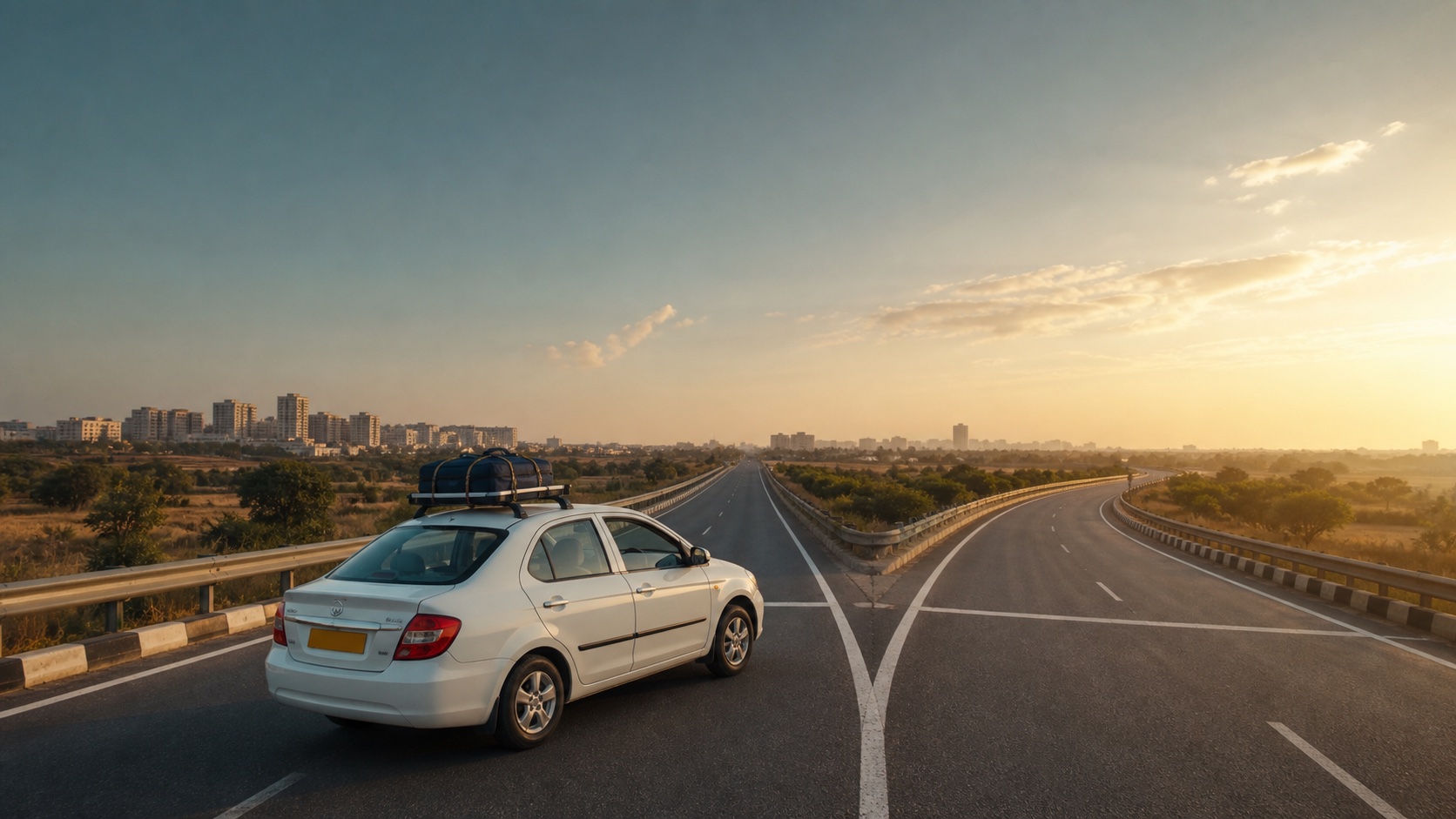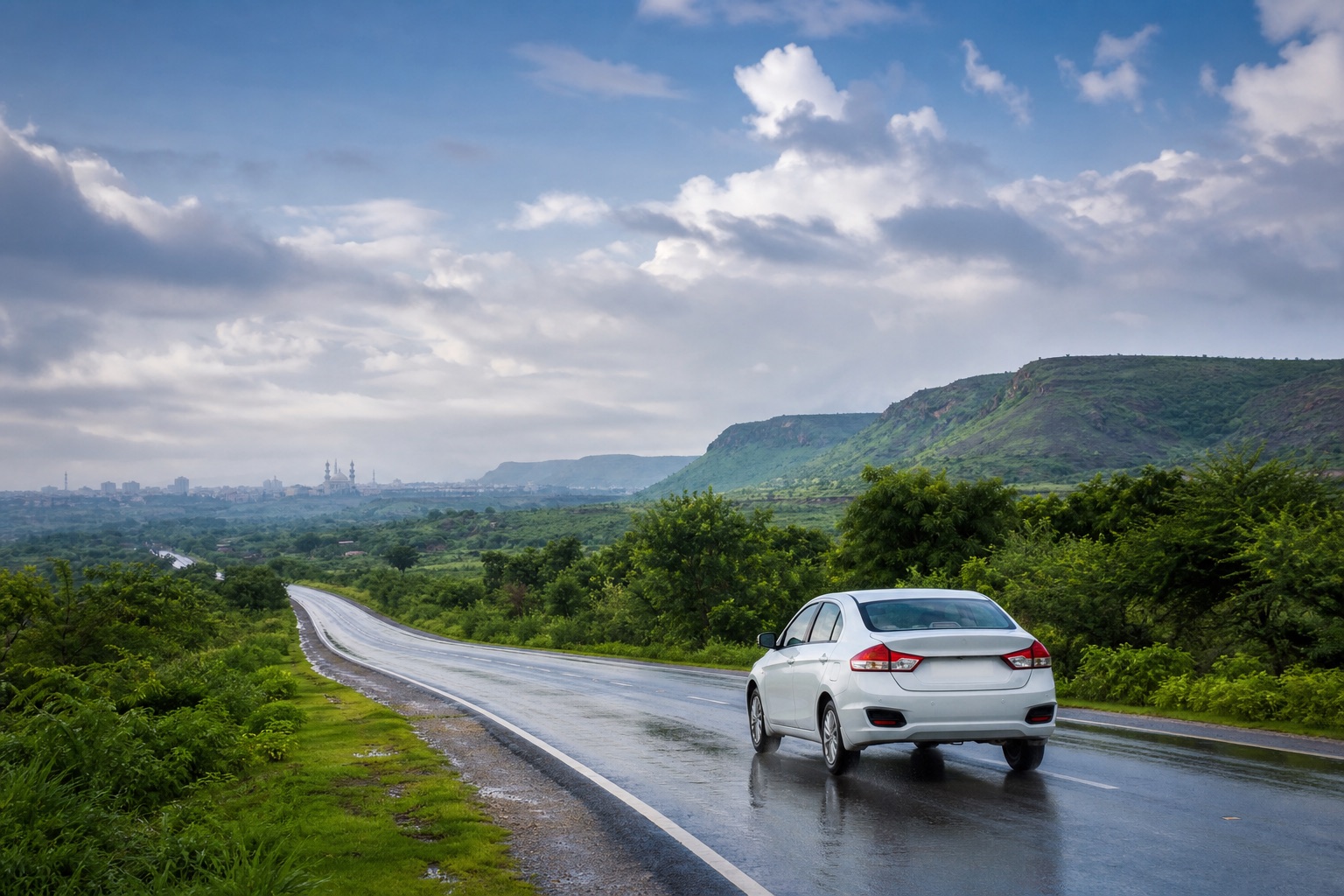

Travelling alone can be an exciting and convenient way to explore new destinations attend business meetings visit family or complete an important intercity journey.
However choosing the right outstation cab for solo travel requires careful planning. Unlike group travel a solo traveller is responsible for arranging the route checking booking details managing luggage and preparing for unexpected changes.
A suitable cab journey should match your destination travel schedule luggage requirements budget and personal comfort preferences.
This guide explains how to choose a cab for a solo outstation journey in India including vehicle selection one way and round trip options booking precautions travel timing and practical road travel tips.
Why Solo Travellers Choose Outstation Cabs
An outstation cab can be a practical option when travelling between cities for work family commitments holidays or other personal requirements.
It allows travellers to plan a direct road journey according to the pickup and destination arrangements available for their booking.
However the suitability of a cab depends on the route fare travel date and individual requirements.
Understand Your Solo Travel Requirements
Before choosing a cab decide the main purpose of your journey.
A short business visit may require a different travel plan from a weekend holiday or a multi day road trip.
Consider your destination travel dates luggage and whether you need a return journey.
Choose The Correct Destination
Confirm the city town or locality where you want to travel.
If you already know the final hotel home office or venue keep the complete destination address available.
Check The Complete Road Route
Review the journey between your pickup location and final destination.
Do not rely only on the distance between the two city names because the actual pickup and drop locations can affect the route.
Consider Realistic Travel Time
Road travel time can change because of traffic weather road conditions and breaks.
Use approximate estimates for planning rather than assuming the journey will always take exactly the same amount of time.
Choose A Suitable Vehicle For Solo Travel
A solo traveller may not require a large vehicle.
A suitable sedan can be a practical option for many journeys depending on luggage and other requirements.
However vehicle choice should depend on actual availability and suitability rather than a fixed rule.
When Should A Solo Traveller Consider An SUV
An SUV may be worth considering when the traveller has additional luggage or other requirements that make a suitable larger vehicle preferable.
Review the actual vehicle specifications and booking options before making a decision.
Do Not Choose A Vehicle Only By Appearance
The appearance of a vehicle does not determine whether it is the best option for your journey.
Focus on passenger requirements luggage capacity trip duration and the available booking arrangements.
Consider Your Luggage
Even a solo traveller may carry several bags.
Count suitcases backpacks shopping bags and other items before selecting the vehicle.
Consider Large Or Bulky Luggage
If you are carrying unusually large bags equipment or other bulky items review whether the selected vehicle can accommodate them appropriately.
Do not assume every vehicle category has identical luggage space.
Avoid Unnecessary Luggage
Pack according to the destination weather journey duration and planned activities.
Travelling with fewer unnecessary items can make pickup hotel check in and local movement easier.
Keep Important Items Accessible
Prepare a smaller travel bag for items you may need during the journey.
- Drinking water
- Suitable snacks
- Necessary medicines
- Phone charger
- Power bank
- Wallet and payment essentials
- Important documents
- Booking information
- Hotel or destination details
One Way Cab For Solo Travel
A one way outstation cab may suit travellers who need to reach another city without returning immediately.
This can be relevant for family visits business journeys relocation or onward travel arrangements.
Review the available booking options for your specific route.
Round Trip Cab For Solo Travel
If you plan to return to the original city after a meeting holiday or other activity review whether a round trip arrangement suits the itinerary.
Compare the complete journey rather than looking only at the outward route.
One Way Or Round Trip Which Should You Choose
The right choice depends on whether you need the return journey and how long you plan to stay at the destination.
Check the current fare and booking conditions applicable to both options.
Plan The Return Before Departure
If you already know your return date include it in the original travel plan.
This can make it easier to organise accommodation and other commitments.
Choose A Practical Pickup Location
Provide an accurate pickup location when booking.
Use a location that is practical for your luggage and departure arrangements.
Double Check The Pickup Address
An incorrect pickup address can cause confusion before the journey begins.
Review the locality building or other relevant details before confirmation.
Confirm The Travel Date
Check the correct departure date.
Pay particular attention when travelling around midnight because the calendar date may be easy to misunderstand.
Confirm The Pickup Time
Choose a pickup time that matches your itinerary.
Consider preparation time traffic and any important appointment at the destination.
Plan Early Morning Travel
An early morning departure may suit some routes and schedules.
However the best departure time depends on the journey current conditions and your individual needs.
Plan Late Night Travel Carefully
If you need to travel at night consider your personal comfort route conditions and expected arrival time.
Review the journey before choosing a departure time.
Do Not Assume Night Travel Is Always Faster
Road conditions traffic restrictions and weather can vary.
Choose timing based on practical information rather than assuming every night journey will be quicker.
Check The Cab Booking Details
Before confirmation review the pickup destination date time vehicle category and journey type.
Make sure the details match your actual travel plan.
Use A Reliable Booking Process
Choose a booking arrangement that provides clear journey information and applicable terms.
Keep the booking details accessible after confirmation.
Review Driver And Vehicle Information When Available
Check the driver and vehicle details provided through the applicable booking process.
At pickup verify that the vehicle matches the information supplied for your journey.
Do Not Enter An Unverified Vehicle
If the vehicle or driver information does not match the booking details seek clarification through the appropriate booking support channel before starting the journey.
Share Your Journey Information With Someone You Trust
Solo travellers may find it useful to share their planned route expected arrival and relevant trip details with a trusted person.
This provides another point of contact if travel arrangements change.
Keep Your Phone Charged
Your phone may be important for communication navigation and accessing booking information.
Charge it before departure and keep a suitable charging option available.
Keep Emergency Contact Information Accessible
Save relevant personal emergency contacts and booking support information.
Know how to contact local emergency services if necessary.
Use The Applicable Emergency Services When Needed
In India the national emergency response number is 112.
Use appropriate emergency services if you encounter a situation requiring urgent assistance.
Stay Aware Of Your Route
It can be useful to review the general road route before departure.
Keep navigation information accessible if you wish to follow the journey.
Do Not Share Unnecessary Personal Information
Share the information required for the journey but avoid disclosing unrelated sensitive personal details.
Keep personal documents and valuables organised.
Plan Reasonable Rest Breaks
Long road journeys can be tiring.
Include practical breaks for meals water and personal needs.
Choose Suitable Stopping Locations
For rest and meal breaks consider appropriate established stopping locations where practical.
Keep your personal comfort and the journey schedule in mind.
Do Not Add Too Many Unnecessary Stops
Repeated optional stops can extend the overall journey.
Balance comfort with the planned destination arrival.
Carry Drinking Water
Keep water accessible during the journey.
This can be useful on routes where suitable stops are less frequent.
Carry Suitable Snacks
Pack convenient snacks according to your needs.
Do not depend entirely on finding food at a particular point on the route.
Plan Meals According To The Journey
For longer journeys consider when you may need a meal stop.
Keep the plan flexible according to actual travel conditions.
Consider Travel During Summer
Hot weather can affect outdoor activities and personal comfort.
Review the destination weather and carry suitable essentials.
Consider Travel During Monsoon
Rain can affect road conditions and journey duration.
Review current weather and route information before departure.
Consider Travel During Winter
Cold weather and fog can affect some routes.
Check current conditions and pack according to the destination.
Plan Solo Travel To Hill Stations
Hill journeys may involve winding roads changing weather and different travel times from those suggested by distance alone.
Keep the itinerary realistic and review current route information where relevant.
Plan Solo Travel For Business
Business travellers may need to reach meetings offices factories or other work destinations.
Keep the exact address and appointment time available.
Allow reasonable flexibility when an important meeting depends on road travel.
Plan Solo Travel For Family Visits
If you are visiting family in another city confirm the final drop location and expected arrival arrangements.
Consider whether you need a one way journey or a return booking.
Plan Solo Travel For A Weekend Holiday
A solo weekend trip can be easier to organise when the itinerary includes a manageable number of attractions.
Keep the return journey practical rather than filling every hour with sightseeing.
Plan Solo Travel For A Pilgrimage
If visiting a temple or religious destination review current darshan information access arrangements and accommodation requirements.
Do not assume every destination allows direct vehicle access to the main entrance.
Plan Solo Travel For A Medical Appointment
If travelling for a medical appointment allow suitable time for the journey and appointment.
Ordinary outstation cab travel is not a substitute for emergency medical transport or specialised patient transportation.
Plan Solo Travel For An Airport Connection
If your outstation cab journey connects with a flight allow appropriate time for road travel and airport requirements.
Do not plan around the assumption that traffic will always be light.
Plan Solo Travel For A Railway Connection
If travelling to a railway station confirm the correct station and train departure details.
Allow realistic road travel time before the train.
Choose Accommodation Carefully
If the journey includes an overnight stay review the hotel location check in information and suitability for your itinerary.
Keep the hotel address accessible.
Do Not Choose A Hotel Only By Price
A lower room price may be less useful if the property is far from your planned activities.
Compare location and practical requirements.
Check Hotel Check In And Check Out Information
Make sure the accommodation arrangements fit your road travel schedule.
Do not assume early check in or late checkout is automatically available.
Keep The Itinerary Flexible
Traffic weather and travel plans can change.
Leave enough flexibility to adjust optional activities when necessary.
Avoid Overloading The Arrival Day
After a long road journey you may prefer food rest and hotel check in before sightseeing.
Keep the arrival day practical.
Keep The Return Day Realistic
If you have a long return journey do not schedule too many distant attractions immediately before departure.
Understand Outstation Cab Fare Components
Cab fares can vary according to route travel date vehicle category and journey type.
Depending on the booking there may be conditions related to distance tolls taxes parking waiting time driver related charges or additional kilometres.
Review the current fare information for your specific journey.
Do Not Compare Only The Headline Fare
Compare the complete journey requirements and applicable booking conditions.
A lower displayed amount does not automatically mean the option is the best fit.
Check Toll And Parking Conditions
Some road journeys involve toll routes or parking arrangements.
Review how relevant charges are handled for your booking.
Check Waiting Conditions
If the cab must wait while you attend a meeting event or other activity review the applicable waiting arrangements.
Do not assume unlimited waiting is included.
Review Additional Stop Requirements
If you plan to visit another city attraction or destination during the journey include it when planning.
Significant detours may affect the fare and overall schedule.
Check Modification Conditions
Travel plans sometimes change.
Review the applicable booking terms if you need to change the date time route or destination.
Check Cancellation Conditions
Cancellation arrangements can vary according to the booking.
Review the relevant conditions before confirming your journey.
Book According To Actual Availability
Vehicle availability can vary according to the route travel date and category.
Check current options rather than assuming the preferred vehicle will always be available.
Plan Ahead During Festivals And Holidays
Popular travel periods can affect transport demand and road traffic.
If your dates are fixed consider arranging important travel requirements in advance.
Do Not Depend On Last Minute Availability
A suitable cab may not always be available immediately.
Review your options early when the journey is important or time sensitive.
What If Your Travel Plan Changes
If your destination travel date or return requirements change review the booking details and applicable modification conditions.
Do not assume the original arrangement automatically covers every change.
What If You Are Running Late
If a delay affects an important appointment or onward connection review your options and communicate relevant changes.
Do not attempt to compensate for delays through unsafe road travel.
What If The Weather Changes
Review updated route information where relevant.
Keep optional sightseeing flexible and prioritise safe practical travel arrangements.
What If You Need An Additional Stop
Consider the extra distance and time before adding another destination.
Review any booking conditions applicable to significant route changes.
Example Of A Solo Business Trip
Imagine a professional travelling alone to another city for an important meeting.
The traveller can choose a suitable vehicle confirm the office address and allow enough time for road travel.
If the meeting may take several hours the traveller can review the waiting and return journey arrangements before booking.
Example Of A Solo Weekend Getaway
Imagine a traveller planning a two day trip to a nearby destination.
The traveller can select a suitable cab choose accommodation according to the itinerary and keep sightseeing manageable.
The return journey should be included in the original plan.
Example Of A Solo One Way Journey
Imagine a traveller moving temporarily to another city with two suitcases and a backpack.
The traveller can review one way cab options and choose a vehicle according to luggage and route requirements.
The final drop address should be confirmed before departure.
Common Mistakes Solo Travellers Should Avoid
- Choosing a vehicle without checking luggage
- Entering an incorrect pickup address
- Selecting the wrong travel date
- Ignoring the complete road route
- Assuming travel time is guaranteed
- Not reviewing booking details
- Ignoring applicable fare conditions
- Forgetting important documents
- Not charging the phone before departure
- Creating an unrealistic itinerary
- Ignoring current weather information
- Leaving return planning until the last minute
- Assuming every booking change is free
Solo Outstation Cab Booking Checklist
- Confirm the travel date
- Confirm the pickup time
- Provide the correct pickup location
- Confirm the final destination
- Review the complete route
- Check realistic travel time
- Choose a suitable vehicle
- Count luggage
- Choose one way or round trip as required
- Review current vehicle availability
- Check booking details
- Verify driver and vehicle information when provided
- Share trip details with a trusted person if desired
- Keep your phone charged
- Keep important contacts accessible
- Carry necessary medicines
- Carry drinking water
- Plan reasonable breaks
- Review current weather
- Check accommodation details if needed
- Review current cab fare information
- Check additional stop requirements
- Review waiting conditions
- Review modification and cancellation conditions
- Plan the return journey
Plan Your Solo Outstation Journey With GetMeCab
GetMeCab provides cab booking options for different types of intercity journeys including one way travel round trips business journeys family visits and holiday travel.
Solo travellers can review suitable vehicle categories according to destination route luggage and journey requirements.
Vehicle availability fares pickup arrangements and booking conditions can vary according to route travel date and selected option.
Review the current details applicable to your specific GetMeCab journey before confirming the booking.
Conclusion
Choosing the right cab for a solo outstation journey starts with understanding your travel requirements.
Confirm the route pickup destination luggage and journey type before selecting a vehicle. Review the booking information and applicable fare conditions and keep important contact details accessible.
Plan realistic travel time consider current weather and make suitable arrangements for meals breaks and accommodation when required.
With a practical itinerary an appropriate vehicle and careful booking checks solo outstation travel can be easier to organise and better suited to your individual journey.