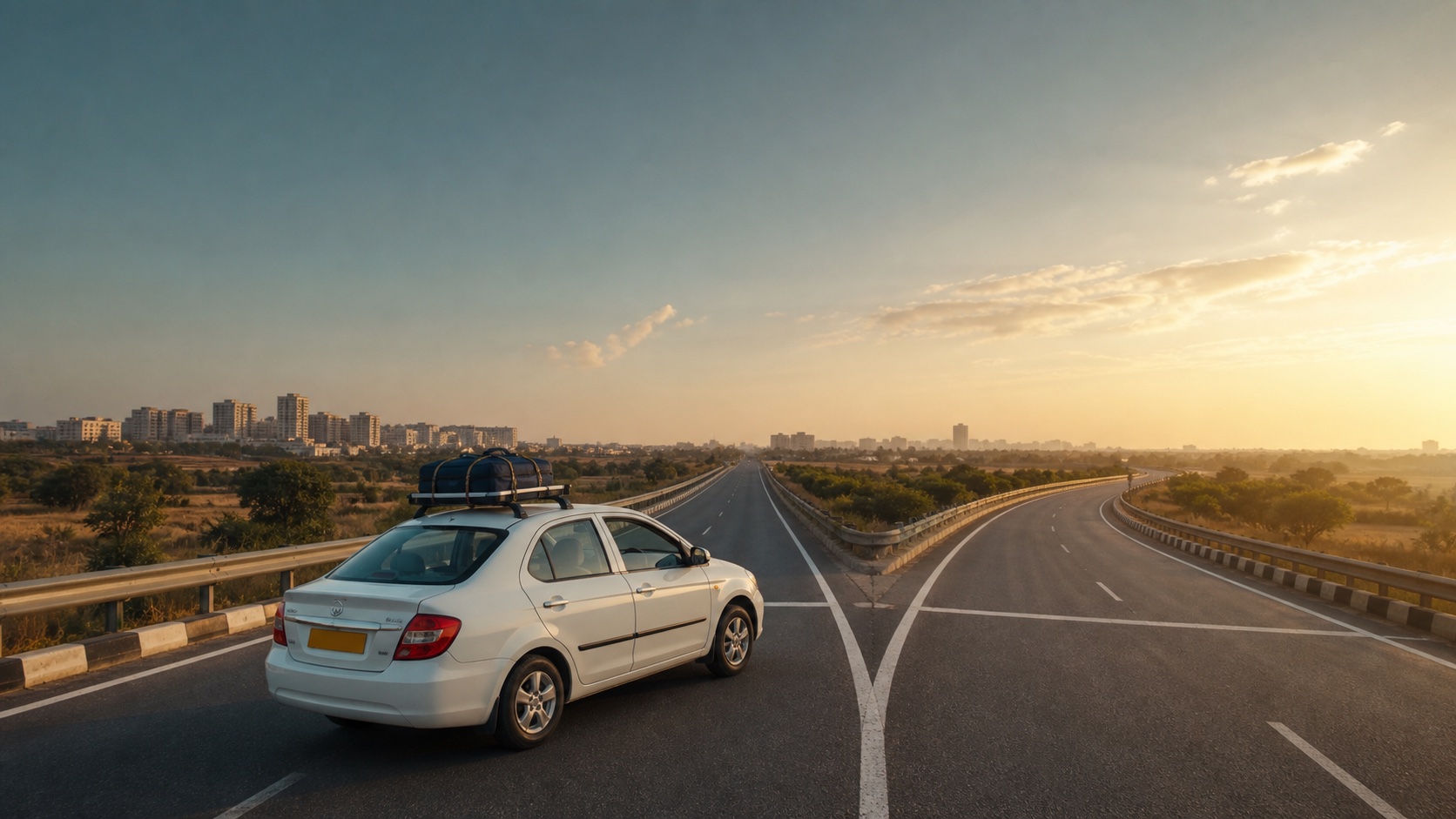

A good outstation cab journey begins long before the vehicle reaches your pickup location.
The route travel days sightseeing stops hotels meals luggage weather and return journey all need to work together.
Without a practical itinerary travellers can spend too much time on the road rush through destinations or discover that several planned activities cannot comfortably fit into the available time.
A well organised itinerary does not need to schedule every minute. It should provide a clear structure while leaving enough flexibility for real road conditions.
This guide explains how to create an effective outstation cab travel itinerary for family holidays weekend trips multi city journeys pilgrimage travel business trips and other intercity journeys.
Start With The Main Purpose Of Your Trip
Before planning individual stops decide why you are travelling.
A family holiday will have different priorities from a business journey pilgrimage weekend getaway or photography road trip.
The purpose of the journey should guide the itinerary.
Confirm Your Travel Dates
Know the actual departure and return dates before building a detailed plan.
If your dates are flexible identify the preferred travel window and any days that cannot change.
Count The Number Of Available Days
Do not treat arrival and departure days as full sightseeing days without considering road travel.
Calculate how much usable time you actually have at the destination.
Choose Your Main Destination
Start with the destination that matters most to the trip.
Additional cities and attractions should support the main journey rather than make the route unnecessarily complicated.
Create A Priority List
Divide destinations and activities into priority and optional categories.
This makes the itinerary easier to adjust if traffic weather or another delay affects the schedule.
Do Not Try To Include Everything
A long list of attractions does not automatically create a better road trip.
Allow enough time to experience important destinations rather than spending the entire holiday travelling between them.
Map The Complete Route
Review the journey from the starting point to every major destination and the final return location.
This can reveal unnecessary backtracking before hotels and other arrangements are confirmed.
Arrange Destinations Geographically
For a multi city trip try to create a logical sequence where practical.
Moving progressively between destinations can reduce unnecessary kilometres compared with repeatedly returning to the same area.
Avoid Unnecessary Backtracking
If two destinations are in the same direction consider whether they can be grouped within the itinerary.
Repeatedly crossing the same route can increase both travel time and overall trip distance.
Check Distance Between Every Major Stop
Do not check only the distance between your home city and final destination.
Review the distance between hotels sightseeing areas cities and other important stops.
Consider Travel Time And Not Only Kilometres
The same distance can require different travel times depending on road type traffic terrain and local conditions.
Use realistic journey estimates rather than assuming a fixed speed throughout the trip.
Do Not Treat Navigation Time As A Guarantee
Navigation estimates are useful for planning but actual road travel can change because of traffic weather breaks and local conditions.
Keep reasonable flexibility.
Build The Itinerary Day By Day
Once the overall route is clear create a simple plan for each day.
Include the starting location major road journey priority activities and overnight destination.
Keep Each Day Understandable
A good itinerary should be easy for every traveller to understand.
Avoid creating a complicated schedule containing too many minor stops and exact minute by minute timings.
Plan The First Day Carefully
The first day often includes the longest departure preparation and road journey.
Consider pickup time traffic meal stops hotel check in and how much sightseeing is realistic after arrival.
Do Not Overload The Arrival Day
If you have already travelled for several hours do not automatically schedule multiple major attractions after reaching the destination.
Hotel check in food and rest may need to come first.
Use Full Days For Priority Sightseeing
Place important attractions on days when you have enough time to experience them.
Avoid leaving every priority activity until the final few hours of the trip.
Plan The Final Day Carefully
The final day must include hotel checkout luggage meals and the return road journey.
Keep sightseeing realistic before a long drive back.
Do Not Treat The Final Day As Unlimited Time
A late sightseeing stop can delay the complete return journey.
Prioritise attractions that work naturally with the return route.
Research Important Attractions
Check current information for the attractions that are central to your trip.
Opening arrangements visitor rules and access conditions can change.
Check Attraction Timings
Do not assume every attraction remains open throughout the day.
Review current timings before deciding the order of sightseeing.
Check Weekly Closures
Some attractions may close on particular days.
Verify current information before building an entire day around one destination.
Check Entry Requirements Where Relevant
Some attractions or activities may require tickets advance reservations or other arrangements.
Review current information before travel.
Group Nearby Attractions Together
When several places are located in the same area consider visiting them together.
This can reduce unnecessary local driving.
Do Not Cross The City Repeatedly
Poor sightseeing order can result in significant time being spent in local traffic.
Organise attractions geographically where practical.
Keep Optional Attractions Separate
If the day runs smoothly optional locations can be added where practical.
If delays occur they can be skipped without affecting the most important parts of the trip.
Plan Reasonable Sightseeing Time
A major fort museum temple or large attraction may require substantially more time than a simple viewpoint.
Do not assign the same amount of time to every stop.
Include Local Travel Time
Reaching the destination city does not mean all attractions are nearby.
Include travel between the hotel and sightseeing areas in the daily plan.
Choose Hotels According To The Itinerary
Accommodation should work with your route.
A hotel located conveniently for your planned activities may reduce unnecessary local travel.
Do Not Choose Hotels Only By Price
A cheaper hotel located far from the areas you plan to visit can add time and local travel to every day.
Compare location as well as the room price.
Check The Exact Hotel Location
Do not rely only on the city name shown in a listing.
Review where the property is located relative to your route and activities.
Check Hotel Check In And Check Out Information
Compare your road journey with the accommodation arrangements.
If you expect to arrive particularly early or late review the applicable hotel information.
Do Not Assume Early Check In
Reaching a destination in the morning does not automatically mean the room will be available immediately.
Plan accordingly when early room access is important.
Check Hotel Parking Where Relevant
If the cab remains with your group during a multi day trip consider whether parking arrangements are relevant at the selected accommodation.
Hotel facilities can vary.
Avoid Changing Hotels Without A Reason
Repeated packing checkout luggage loading and check in can consume valuable travel time.
Change hotels when it improves the route rather than simply because another property is available.
Do Not Keep The Same Hotel If It Creates Backtracking
On the other hand one hotel is not always more convenient.
For a multi city journey changing accommodation may be more practical than driving several hours backwards every day.
Choose The Right Cab
Select the vehicle according to passenger count luggage journey duration route and travel requirements.
A sedan may suit some smaller groups while a suitable SUV can be considered when additional passenger or luggage capacity is required.
Larger groups can review appropriate Tempo Traveller options according to actual capacity and availability.
Confirm Passenger Count
Know exactly who is travelling before choosing the vehicle.
If another passenger joins later review whether the original vehicle remains appropriate.
Count Luggage
Multi day trips can involve more luggage than a short intercity journey.
Consider suitcases backpacks shopping bags and other bulky items.
Consider Return Journey Luggage
Shopping gifts and other purchases can increase baggage during the trip.
Leave reasonable luggage flexibility where practical.
Do Not Overpack
Pack according to the actual destination weather activities and trip duration.
Unnecessary luggage can make a multi city journey more difficult to manage.
Keep Frequently Needed Items Accessible
Prepare a smaller bag for items you may need during road travel.
- Drinking water
- Suitable snacks
- Necessary medicines
- Phone charger
- Power bank
- Important documents
- Hotel information
- Booking information
- Frequently needed personal items
Plan For Children
Family itineraries should include realistic meal breaks rest and activities appropriate for younger travellers.
Avoid making every day excessively long.
Plan For Senior Citizens
Consider walking requirements medicines meal timing rest and hotel location.
Do not build the complete itinerary around the pace of only the youngest travellers.
Plan Meal Stops
Meals should be part of the itinerary without dominating it.
On long road days consider suitable food stops that do not require major unnecessary detours.
Do Not Depend Entirely On Random Food Stops
On less familiar routes it can help to have a general idea of when the group expects to stop for meals.
Keep some flexibility for actual road conditions.
Carry Water
Keep drinking water accessible during longer journeys.
This is especially useful when travelling with children or senior citizens.
Include Reasonable Rest Breaks
A road trip should not be designed only around reaching destinations as quickly as possible.
Include practical breaks according to the length of the journey and passenger needs.
Do Not Add Too Many Roadside Stops
Necessary breaks are important but repeated optional stops can significantly extend a travel day.
Keep the main itinerary in mind.
Plan Multiple Pickup Points
If travellers are joining from different areas organise pickup locations before departure.
Arrange them logically where practical.
Consider A Common Pickup Point
A common pickup can simplify departure for some groups.
However luggage children senior citizens and individual convenience should be considered.
Ask Everyone To Be Ready
Delays at the first few pickup points can affect the entire travel day.
Ask passengers to keep luggage ready before the expected pickup.
Check The Weather
Weather can affect road travel sightseeing and what you need to pack.
Review current forecasts for the route and major destinations before departure.
Check Weather For Multiple Destinations
A multi city journey can pass through different climates.
Do not assume the weather at the starting city applies everywhere.
Plan For Summer
During warmer conditions consider hydration outdoor sightseeing and the timing of longer activities.
Keep the itinerary realistic for the actual weather.
Plan For Monsoon
Rain can affect road travel and outdoor attractions.
Review current conditions and keep alternatives for weather dependent activities.
Plan For Winter
Winter conditions can vary considerably across India.
Check current weather and consider bulky luggage fog on some routes and destination temperatures.
Plan Hill Station Itineraries Realistically
Mountain road travel can take longer than distance alone suggests.
Do not schedule too many distant locations in one day.
Check Current Hill Route Information
Weather and access conditions can change.
Review current information where relevant rather than depending entirely on an old travel report.
Plan Pilgrimage Itineraries Carefully
If temples or religious destinations are part of the journey check current visitor and darshan information.
Allow flexibility for queues and local arrangements.
Do Not Put Too Many Temples Into One Day
Consider road travel walking darshan meals and rest.
Prioritise the religious destinations that matter most to the group.
Plan A Weekend Itinerary
For a short weekend journey keep the destination count limited.
Spending most of a two day trip moving between several cities can reduce the actual holiday time.
Plan A Multi Day Itinerary
Longer trips allow more destinations but each additional city also adds road travel hotel changes and luggage handling.
Add destinations only when they improve the journey.
Plan A Multi City Itinerary
Arrange cities in a logical direction where possible.
Choose overnight locations that naturally connect one travel day with the next.
Keep Long Driving Days Lighter
If a day already includes substantial intercity travel reduce the number of major sightseeing activities.
Use shorter road days for more detailed exploration.
Balance Busy And Relaxed Days
Several demanding days in a row can make a holiday tiring.
Where possible balance long travel days with lighter local sightseeing days.
Plan Photography Stops
If scenic photography is important identify priority stops before departure.
Use suitable permitted stopping locations and avoid allowing optional photography to disrupt the complete itinerary.
Keep Spontaneous Stops Flexible
One advantage of a road journey is the ability to discover interesting places along the way.
However spontaneous stops should fit the available time rather than replace priority plans unintentionally.
Build Buffer Time Into The Itinerary
A practical itinerary should have some unused time.
Traffic weather meal delays and longer sightseeing visits can otherwise affect every activity scheduled afterwards.
Do Not Fill Every Hour
An itinerary with no flexibility can become stressful as soon as one activity takes longer than expected.
Leave room for normal travel variation.
Plan A Backup Activity
If an outdoor attraction depends heavily on weather keep an alternative activity available.
The backup should work with your location rather than require another major road journey.
Keep Optional Activities Truly Optional
Do not treat the optional list as another compulsory itinerary.
Use it only when enough time and energy remain.
Review Important Local Rules
Some attractions religious sites wildlife areas and other destinations can have specific visitor requirements.
Check current official or reliable information where relevant.
Do Not Depend Entirely On Old Blogs Or Videos
Travel content can be useful for ideas but timings access rules road conditions and prices can change.
Verify information that directly affects your journey.
Plan Your Travel Budget
Create an approximate budget covering transportation accommodation meals attraction costs and personal expenses.
Keep some flexibility for unexpected travel requirements.
Separate Shared And Personal Expenses
For group trips it can help to decide which expenses are shared and which are individual.
This can reduce confusion during the journey.
Review Your Cab Fare
Outstation cab fares can vary according to route travel date vehicle category journey type and booking conditions.
Depending on the booking there may be conditions related to distance tolls taxes parking waiting time driver related charges or additional kilometres.
Review the current fare information for your specific itinerary.
Consider How Route Changes Affect Fare
Adding another city attraction or substantial detour can change the total distance and journey duration.
Review significant itinerary changes rather than assuming they are part of the original route.
Review Waiting Requirements
If the itinerary includes long meetings events temple visits or other activities requiring substantial waiting review the applicable booking conditions.
Do Not Choose The Trip Only By Lowest Fare
Also consider vehicle suitability passenger capacity luggage and whether the booking structure matches your itinerary.
Choose One Way Or Round Trip According To Your Plan
A one way booking may suit a journey ending in another city.
A round trip may work when the itinerary eventually returns to the original location.
Choose according to the actual route.
Plan The Return Journey From The Beginning
Do not wait until the final day to decide how you will return.
Include the return road journey when calculating the total trip duration.
Keep The Return Day Lighter
A long return journey can become difficult if it begins after an already packed sightseeing schedule.
Prioritise a practical departure.
Review The Itinerary Before Booking
Read the complete plan from the first pickup to the final drop.
Look for unrealistic days unnecessary backtracking excessive hotel changes and missing travel time.
Share The Itinerary With Other Travellers
Make sure the group understands the basic route overnight destinations and major activities.
This gives travellers an opportunity to identify important requirements before departure.
Choose One Trip Coordinator
For larger groups one person can keep the latest itinerary hotel details and important booking information organised.
This helps avoid several different versions of the plan circulating within the group.
Keep A Digital Copy
Save the itinerary on a phone or another accessible location.
Include major addresses and booking details where appropriate.
Keep The Itinerary Easy To Update
Travel plans sometimes change.
A simple itinerary is easier to modify than a complicated schedule containing dozens of fixed timings.
What If The Weather Changes
Move or replace weather dependent activities where practical.
Protect the priority parts of the journey rather than trying to follow the original itinerary at any cost.
What If An Attraction Is Closed
Use an optional activity or adjust the remaining sightseeing geographically.
A backup list can be useful in this situation.
What If You Are Running Late
Prioritise the important destination and remove lower priority stops.
Do not attempt to recover every lost minute by making the rest of the itinerary unrealistic.
What If The Group Wants An Extra Stop
Consider the detour travel time and remaining schedule before adding it.
A small route change can have a larger effect later in the day.
What If The Hotel Changes
Review how the new property location affects sightseeing and the next road journey.
Update the itinerary and important addresses.
Example Of A Two Day Outstation Itinerary
On the first day travellers can depart at a practical time complete the main intercity journey check into the hotel and visit one or two priority attractions if enough time remains.
The second day can include selected sightseeing followed by a realistic return journey.
Optional stops should remain flexible.
Example Of A Multi City Itinerary
Imagine travellers visiting three destinations over several days.
They can arrange the cities geographically choose overnight locations according to the route and keep long driving days lighter.
Priority attractions can be placed on days with less intercity travel.
Example Of A Family Road Trip Itinerary
A family travelling with children and senior citizens can choose fewer daily attractions allow regular meals and breaks and select hotels that reduce unnecessary local travel.
This creates a more balanced itinerary for different age groups.
Outstation Cab Itinerary Checklist
- Confirm travel dates
- Count available travel days
- Choose the main destination
- Create priority and optional lists
- Map the complete route
- Arrange destinations geographically
- Check realistic road travel time
- Create a day by day plan
- Keep arrival day practical
- Keep return day practical
- Check current attraction information
- Group nearby attractions together
- Choose hotels according to the route
- Check hotel location
- Confirm passenger count
- Count luggage
- Choose a suitable vehicle
- Consider children and senior citizens
- Plan meals and rest breaks
- Check current weather
- Keep long driving days lighter
- Add reasonable buffer time
- Keep backup activities
- Plan the travel budget
- Review current cab fare details
- Review major route changes
- Plan the return journey
- Share the itinerary with the group
- Keep booking details accessible
- Review the complete plan before departure
Plan Your Outstation Itinerary With GetMeCab
GetMeCab provides cab booking options for different types of intercity journeys including one way travel round trips family holidays pilgrimage trips airport transfers and multi city journeys.
Travellers can review suitable vehicle categories according to passenger count luggage destination route journey duration and travel requirements.
Vehicle availability fares road conditions attraction information and booking conditions can vary according to route and travel date. Review the current details applicable to your specific GetMeCab journey and destination before departure.
Conclusion
The best outstation cab itinerary is not necessarily the one containing the most destinations.
A practical plan connects the route travel days hotels sightseeing meals rest stops and return journey without making every hour compulsory.
Start with your priority destinations arrange the route geographically and keep long driving days lighter. Choose the vehicle according to passengers and luggage and check current weather attraction information and booking details before travelling.
Most importantly leave some flexibility. Traffic weather and travel plans can change. A well structured but adjustable itinerary can help you enjoy the road journey as well as the destination.