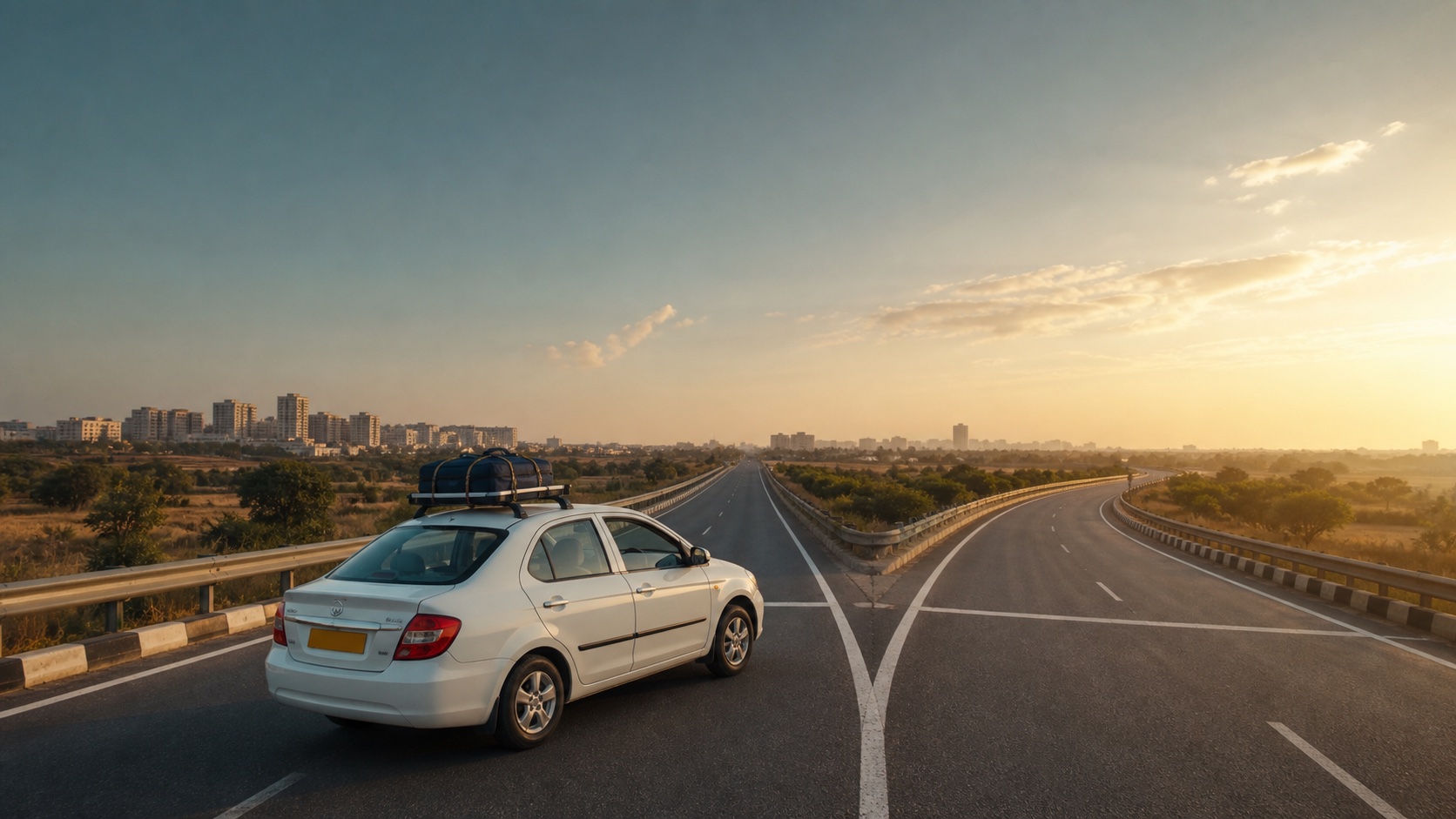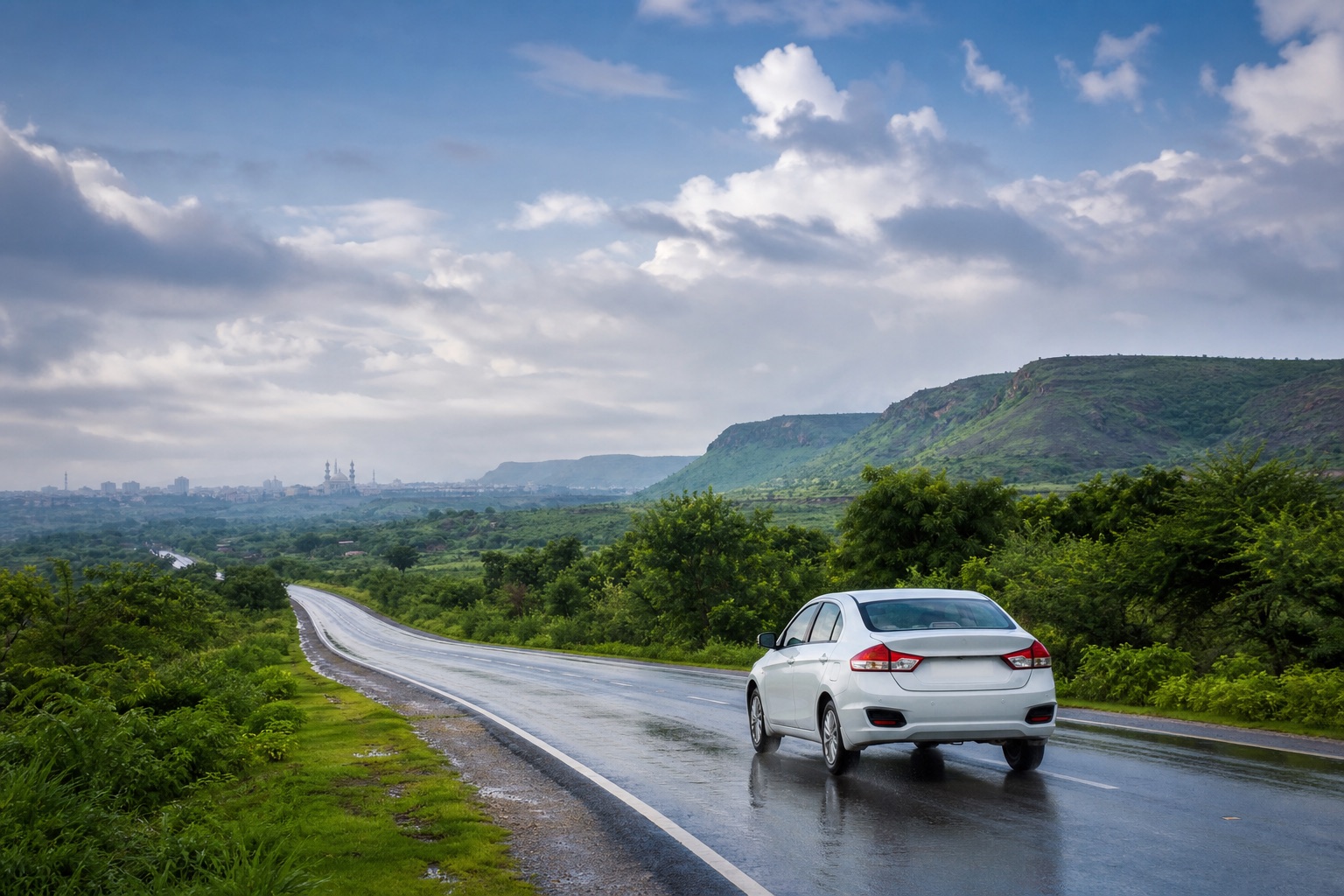

A road trip can be much more than travelling from one city to another.
For photographers content creators couples families and travellers who enjoy landscapes the journey itself can become an important part of the experience.
Mountain viewpoints lakes countryside roads heritage surroundings and other scenic locations can create memorable photography opportunities during an outstation cab trip.
However adding photography stops without planning can increase travel time and make the itinerary rushed.
A successful photography road trip should balance scenic stops with realistic road travel destination timings weather luggage and the needs of other passengers.
This guide explains how to plan a cab trip for photography and scenic stops in India.
Decide What Type Of Photography Trip You Want
Start by deciding whether photography is the main purpose of the journey or simply an additional part of your holiday.
A dedicated photography trip can allow more time for selected locations while a family holiday may require photography stops to fit around sightseeing and other activities.
Choose Your Photography Interests
Different travellers may be interested in different subjects.
You may want to photograph mountains lakes architecture countryside landscapes heritage areas city views or natural surroundings.
Knowing your priorities can help you choose a suitable route.
Research The Route Before Departure
Review the general route and identify scenic locations that genuinely fit the journey.
A beautiful place located far away from your main road may create a substantial detour.
Prioritise stops that work with the overall itinerary.
Create A List Of Priority Scenic Stops
Separate your planned locations into priority and optional stops.
If the journey takes longer than expected you can skip optional locations without losing the most important photography opportunities.
Do Not Add Every Scenic Location You Find Online
Travel research can produce a long list of viewpoints attractions and photography locations.
Trying to visit all of them can make the road trip unnecessarily rushed.
Select a smaller number of meaningful stops.
Check Whether A Stop Is Actually On Your Route
A location may appear close on a map while still requiring a significant detour because of road access.
Check the actual driving route before adding it to the itinerary.
Consider Travel Time And Not Only Distance
Mountain roads city traffic local roads and other conditions can affect how long it takes to reach a photography location.
Use realistic road travel estimates when planning your day.
Keep Photography Stops Within A Realistic Schedule
A quick scenic stop may require more time than expected after parking walking arranging equipment and taking photographs.
Include reasonable time for important stops instead of assuming every location will require only a few minutes.
Do Not Plan The Journey To The Exact Minute
Traffic weather and road conditions can affect your schedule.
Keep enough flexibility so a photography stop does not create unnecessary pressure on the rest of the journey.
Choose The Right Cab For The Trip
Select the vehicle according to passenger count luggage photography equipment destination and journey duration.
A sedan may suit a smaller group while an SUV can be considered when additional passenger or luggage space is required. Larger groups can review suitable Tempo Traveller options depending on their actual requirements.
Check the capacity of the available vehicle before booking.
Consider Photography Equipment As Part Of Your Luggage
Cameras lenses tripods backpacks and other equipment can increase the luggage requirement.
Count photography bags together with normal passenger luggage when choosing the vehicle.
Do Not Overpack Photography Equipment
Carrying every available camera accessory can make the journey more difficult.
Consider which equipment is genuinely useful for the type of photography you plan to do.
Keep Frequently Used Equipment Accessible
If you expect several planned photography stops avoid packing frequently used equipment beneath all the main suitcases.
Organise your luggage so appropriate equipment can be accessed without repeatedly unloading everything.
Protect Photography Equipment
Use suitable cases or bags for cameras lenses and other sensitive equipment.
Follow the equipment manufacturer guidance for handling storage temperature moisture and other conditions.
Keep Important Equipment With You
Expensive or sensitive personal equipment should remain properly organised and under the care of the traveller responsible for it.
Do not leave valuable equipment unattended at scenic stops.
Prepare A Photography Travel Essentials Bag
- Camera equipment required for the trip
- Charged batteries
- Memory cards
- Phone charger
- Power bank
- Drinking water
- Suitable snacks
- Necessary medicines
- Important documents
- Weather appropriate personal items
Charge Equipment Before Departure
Charge camera batteries phones power banks and other necessary devices before beginning the journey.
This is especially useful when travelling through areas where charging opportunities may be limited.
Check Memory Card Space
Make sure you have enough storage for the type of photography or video you plan to capture.
Organising storage before departure is easier than discovering a problem at an important location.
Keep Backup Storage Where Appropriate
Travellers expecting to create a large amount of content can plan their storage according to their equipment and workflow.
Avoid depending on a single unverified storage option for important work.
Check The Weather
Weather can dramatically change the appearance and accessibility of scenic destinations.
Check the current forecast before departure and again closer to important photography days.
Do Not Assume The Weather Will Match Online Photographs
Images found online may have been captured during another season or under very different weather conditions.
Keep realistic expectations for your actual travel date.
Plan Around Natural Light Without Making The Schedule Too Rigid
Some travellers prefer photography during particular daylight conditions.
If light is important to your trip consider approximate sunrise sunset and daylight conditions using a reliable current source.
Keep flexibility because cloud cover weather and local terrain can change the result.
Do Not Rush To Reach A Viewpoint
A photograph is not worth creating an unrealistic travel schedule.
If traffic or another delay affects the plan adjust the photography stop instead of treating an estimated light window as a deadline that must be reached at any cost.
Plan Sunrise Photography Carefully
If you want to photograph a location around sunrise confirm whether the area is accessible at that time.
Review local opening restrictions hotel departure arrangements and current route conditions.
Plan Sunset Photography Carefully
If a sunset location is part of the itinerary consider what happens afterwards.
Know how far you are from your hotel or next destination and plan the remaining journey realistically.
Do Not Assume Every Viewpoint Is Open At All Hours
Some scenic locations are inside attractions parks monuments or other managed areas with specific visitor timings.
Check current information before planning an early or late visit.
Use Only Suitable Stopping Locations
A scenic road does not automatically mean that every part of the road is an appropriate place to stop.
Use designated parking areas viewpoints attractions or other suitable permitted locations.
Do Not Stop Simply Because A View Looks Attractive
Roadside stopping can be restricted or inappropriate in some areas.
Continue to a suitable stopping location rather than treating the road itself as a photography area.
Follow Local Signs And Instructions
Respect parking restrictions access rules and instructions at scenic destinations.
Local arrangements should take priority over an online photography recommendation.
Respect Private Property
A beautiful field building or landscape may be privately owned.
Do not assume that a location is open to visitors simply because photographs of it appear online.
Follow applicable access requirements and obtain permission where required.
Respect Photography Restrictions
Photography may be restricted at some religious cultural heritage security sensitive or privately managed locations.
Follow current instructions at the destination.
Do Not Assume Tripods Are Allowed Everywhere
Some attractions may have different rules for equipment or professional photography.
Check current visitor guidelines if specialised equipment is important to your planned shoot.
Check Current Rules Before Using A Drone
Drone use can be subject to aviation regulations local restrictions permissions and location specific rules.
Do not assume that a scenic destination permits drone operation.
Verify current applicable requirements through authoritative sources before planning any drone activity.
Plan Mountain Photography Trips Carefully
Mountain journeys can provide excellent landscapes but road travel may take considerably longer than distance alone suggests.
Review current weather and route information where relevant.
Do Not Assume Every Mountain View Will Be Clear
Clouds mist rain haze and other conditions can affect visibility.
A flexible itinerary can help when landscape photography depends heavily on weather.
Plan Lake And Riverside Stops
If lakes rivers or reservoirs are part of your photography itinerary use designated visitor areas and appropriate access points.
Follow local instructions and avoid assuming that every shoreline is open to visitors.
Plan Heritage Photography
Historic areas forts monuments and old city districts can provide distinctive photography opportunities.
Check current visitor timings photography rules and access requirements before travelling.
Consider The Time Required At Heritage Locations
A major fort or monument may require significantly more time than a roadside viewpoint.
Include walking entry and sightseeing time when building the itinerary.
Plan City Photography Stops
Urban photography may involve markets architecture public spaces and city viewpoints.
Consider local traffic parking opening times and applicable photography rules.
Do Not Block Busy Public Areas
When taking photographs remain considerate of other visitors and normal public movement.
Follow local instructions at crowded locations.
Plan Countryside Photography Respectfully
Rural landscapes can be visually attractive but they are also places where people live and work.
Respect private property local communities and access restrictions.
Ask Before Photographing People Where Appropriate
Respect the privacy and preferences of individuals you encounter during the trip.
A scenic road trip should not come at the expense of another persons reasonable privacy.
Plan Photography With Family
If photography is only one part of a family holiday avoid making every passenger wait at numerous locations.
Discuss priority photography stops with the group before departure.
Keep Family Photography Stops Limited
A smaller number of well chosen locations can work better than stopping repeatedly throughout the day.
This is especially useful when travelling with children or senior citizens.
Photography Trips With Children
Children may become tired during long waits at photography locations.
Keep water snacks and frequently needed items accessible and maintain a realistic itinerary.
Photography Trips With Senior Citizens
Consider walking distance terrain weather and rest requirements when senior citizens are part of the group.
Do not select every viewpoint solely on photographic potential.
Photography Trips With Friends
A trip with friends can allow more flexibility if everyone shares an interest in photography.
Agree on the main locations and approximate time at each stop before departure.
Plan Couple Photography Road Trips
Couples may want scenic photographs as part of a weekend or holiday journey.
Choose suitable public or permitted locations that fit naturally into the route rather than creating excessive detours.
Plan Content Creation Trips
Content creators may require both photography and video at multiple destinations.
Estimate the actual time needed to create content instead of treating every stop as ordinary sightseeing.
Do Not Create An Unrealistic Content Schedule
Changing locations equipment and compositions can take time.
A smaller number of planned locations can produce a more manageable road trip.
Plan Clothing Practically
If photographs are an important part of the trip consider the expected weather and location while packing clothing.
Avoid carrying excessive outfit changes that create unnecessary luggage unless they are genuinely part of the travel plan.
Plan Multiple Outfits Before Departure
If different outfits are required organise them before the journey.
This can reduce time spent searching through luggage at each location.
Consider Changing Facilities
Do not assume a scenic location has a suitable place to change clothing.
Plan outfit changes around hotels or other appropriate facilities.
Plan Meal Breaks
Photography stops can make travellers lose track of ordinary meal timing.
Include reasonable food and rest breaks during longer road journeys.
Carry Drinking Water
Keep drinking water accessible throughout the journey.
This is particularly useful when scenic locations are away from major commercial areas.
Keep Suitable Snacks Accessible
Light snacks can be useful between planned meal stops.
Choose items according to traveller preferences and appropriate storage requirements.
Plan Hotel Location Strategically
Accommodation location can matter on a photography focused trip.
A hotel positioned conveniently for priority locations may reduce unnecessary early morning or late evening road travel.
Do Not Choose A Hotel Only By Price
A lower priced property located far from every planned photography location can add substantial local travel.
Compare accommodation location with the actual itinerary.
Check Hotel Parking When Relevant
If your cab remains with you during a multi day trip check whether parking arrangements are relevant at the selected property.
Hotel conditions can vary.
Keep Equipment Organised At Hotels
Before leaving for a photography day check that required batteries storage equipment and personal items are ready.
This can reduce unnecessary returns to the hotel.
Create A Day By Day Photography Itinerary
For a multi day road trip write down the main location for each day along with priority photography stops hotel and major road journey.
Keep optional locations separate.
Do Not Add Too Many Locations Per Day
Photography often requires more time than ordinary sightseeing.
Allow enough time to experience and photograph important locations without rushing.
Keep Long Driving Days Lighter
If one day involves several hours of intercity travel plan fewer photography stops.
Use shorter road days for locations that require more time.
Plan Multi City Photography Trips Logically
Arrange destinations in a geographical sequence where practical.
Avoid repeatedly backtracking just to visit another scenic location.
Consider Seasonal Photography
The appearance of landscapes can vary significantly by season.
Research the likely seasonal conditions but verify current weather before travelling.
Summer Photography Trips
Summer can bring high temperatures to many destinations.
Keep water accessible and consider weather when planning extended outdoor photography.
Monsoon Photography Trips
Rain can create dramatic landscapes but can also affect road travel outdoor access and equipment handling.
Review current weather and protect sensitive equipment appropriately.
Winter Photography Trips
Winter may bring colder temperatures fog or other seasonal conditions depending on the region.
Check current weather rather than assuming a particular photographic condition will be present.
Do Not Chase Unpredictable Weather
Snow fog clouds and dramatic skies cannot be guaranteed for a particular trip.
Keep alternative photography ideas available if the expected conditions do not occur.
Keep A Backup Location
If a priority location is unavailable because of weather access restrictions or another issue it helps to have an alternative.
The backup should fit the route rather than create another major detour.
Check Current Road Information
For remote hill or weather sensitive destinations review current route information where relevant.
Do not depend entirely on old travel reports.
Review Access Before Taking A Detour
A scenic location may be reachable under normal conditions but access can change.
Check current information before committing substantial travel time to a detour.
Plan Scenic Stops During A Same Day Trip
If you need to return to the starting city on the same day limit photography stops according to the complete round journey.
Remember that every stop reduces the time available at the main destination and for the return drive.
Plan Scenic Stops During A Multi Day Trip
A multi day journey provides more flexibility.
Spread important photography locations across different days rather than trying to capture everything during the outward drive.
Plan The Return Journey
Do not use all available time on photography stops before a long return journey.
Keep enough time for hotel checkout meals luggage and road travel.
Review The Weather Before Returning
Conditions can change during a multi day trip.
Check current weather and relevant road information before the return journey.
One Way Or Round Trip Photography Journey
The suitable booking type depends on your itinerary.
A round trip may work when you return to the starting city while another arrangement may fit a route that ends at a different destination.
Choose according to the actual journey.
Review Your Cab Fare
Outstation cab fares can vary according to route travel date vehicle category journey type and booking conditions.
Depending on the booking there may be conditions related to distance tolls taxes parking waiting time driver related charges or additional kilometres.
Review the current fare information for your specific journey.
Scenic Detours Can Affect Trip Cost
Adding photography locations can increase total distance and travel time.
Review significant detours when planning your cab journey instead of assuming every scenic stop is part of the original route.
Consider Waiting Time
A dedicated photography session can require more time than a normal sightseeing stop.
If your itinerary involves substantial waiting review the applicable booking conditions.
Do Not Choose The Trip Only By The Lowest Fare
Consider vehicle suitability luggage route and the complete itinerary.
A photography road trip may have different requirements from a simple point to point journey.
Example Of A Mountain Photography Trip
Imagine three friends planning a multi day trip to photograph mountain landscapes.
They can select a few priority viewpoints check current weather organise camera equipment and choose accommodation that fits the planned route.
Optional locations can remain flexible if road or weather conditions change.
Example Of A Family Scenic Road Trip
Imagine a family travelling to a hill destination and wanting photographs along the journey.
Instead of stopping repeatedly they can choose two or three suitable scenic locations that fit naturally into the route.
This allows photography without making the complete family journey unnecessarily long.
Example Of A Heritage Photography Trip
Imagine travellers planning to photograph historic architecture across several cities.
They can arrange destinations geographically check current monument timings and photography rules and allow more time at major heritage locations.
Photography And Scenic Road Trip Checklist
- Decide the purpose of the photography trip
- Choose your photography interests
- Research the main route
- Create priority scenic stops
- Keep optional stops separate
- Check actual driving detours
- Review realistic travel time
- Confirm passenger count
- Count normal luggage
- Count photography equipment
- Choose a suitable vehicle
- Charge batteries and devices
- Check available storage
- Keep equipment organised
- Check current weather
- Review daylight conditions when important
- Check attraction opening times
- Follow photography restrictions
- Use suitable permitted stopping locations
- Respect private property
- Check specialised equipment rules where relevant
- Plan meals and rest breaks
- Carry drinking water
- Choose a practical hotel location
- Keep long driving days lighter
- Keep a backup photography location
- Review current road information
- Plan the return journey
- Review significant scenic detours
- Review current cab fare details
Plan Your Scenic Road Trip With GetMeCab
GetMeCab provides outstation cab booking options for different types of intercity journeys including family holidays trips with friends one way journeys round trips and multi city road trips.
Travellers can review suitable vehicle categories according to passenger count luggage equipment destination journey duration and travel requirements.
Weather road access attraction rules vehicle availability fares and booking conditions can vary according to destination route and travel date. Review current information for your specific journey and important photography locations before departure.
Conclusion
A photography road trip works best when scenic stops are part of the itinerary rather than random additions throughout the journey.
Choose a smaller number of priority locations check their actual route and access and allow realistic time for photography. Select the cab according to passengers normal luggage and photography equipment and keep frequently used gear organised.
Respect local rules private property photography restrictions and designated stopping arrangements. Weather and natural conditions cannot be guaranteed so keep alternative locations or compositions in mind.
Most importantly do not let the search for one photograph make the complete road trip unnecessarily rushed. A well planned scenic cab journey gives you enough time to travel experience the destination and capture memorable moments along the way.