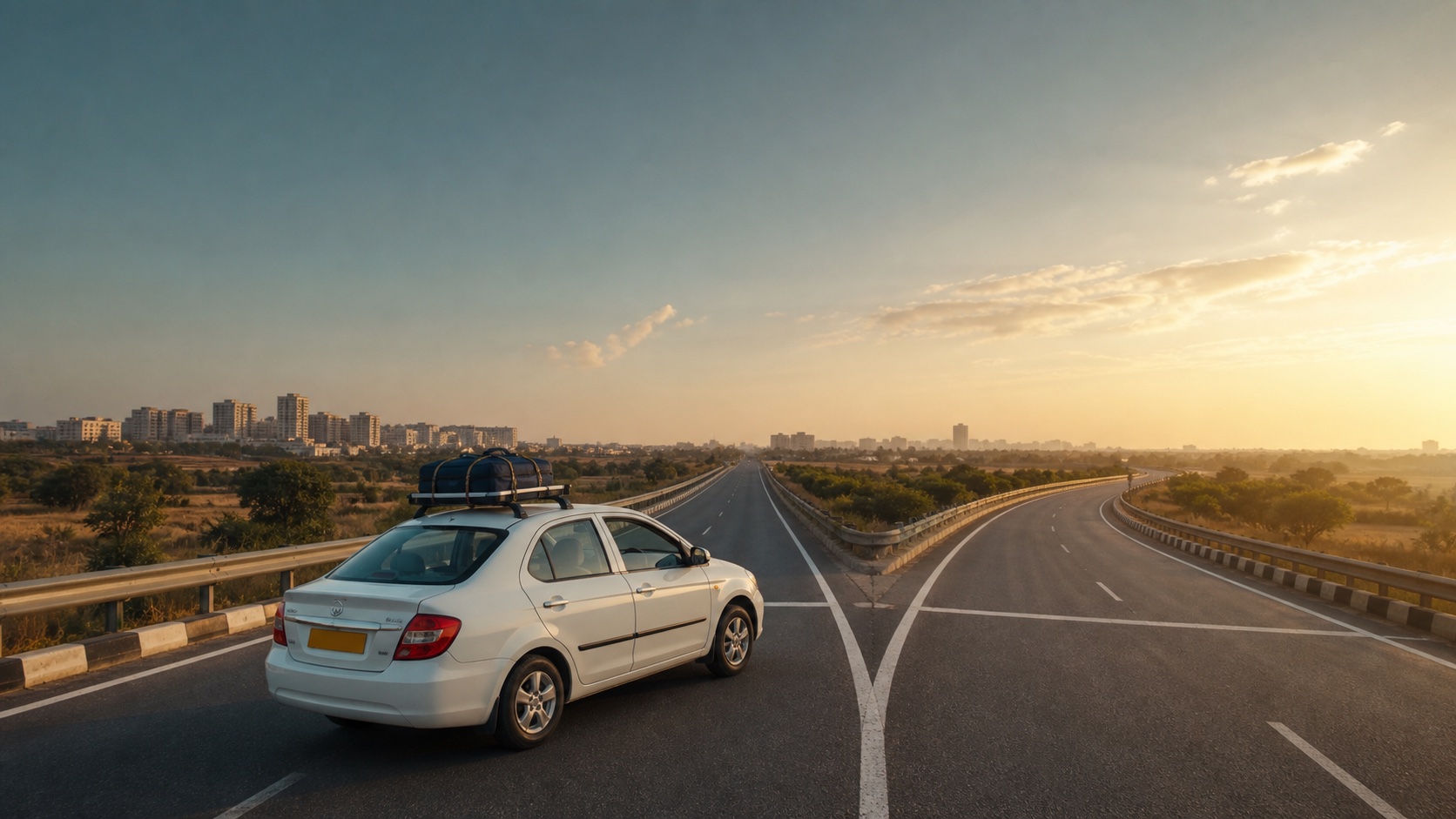

A multi day road trip can be one of the most flexible ways to explore several destinations in a single journey. Families friends couples and other travellers can create an itinerary around the places they actually want to visit instead of limiting the holiday to one city.
However a longer outstation cab trip also requires careful budgeting. Poor route planning unnecessary kilometres unsuitable vehicle selection expensive hotel locations and an overloaded itinerary can increase the overall cost of the holiday.
Saving money does not necessarily mean choosing the cheapest available cab or removing important experiences from your trip. Good planning is about using your travel budget efficiently while keeping the journey practical.
This guide explains how to plan a multi day outstation cab trip without unnecessary spending.
Start With A Complete Trip Budget
Before choosing destinations decide approximately how much you want to spend on the complete holiday.
Your budget should include more than the cab booking.
- Transportation
- Accommodation
- Meals
- Sightseeing
- Parking
- Entry tickets
- Shopping
- Personal expenses
- Emergency or unexpected expenses
A complete budget gives you a clearer idea of how much you can reasonably spend on each part of the trip.
Decide The Number Of Travel Days
Start with the number of days actually available for your holiday.
Do not create a seven day itinerary when your schedule realistically provides only five comfortable travel days.
The number of days influences accommodation meals sightseeing and road travel requirements.
Choose Destinations That Work Together
One of the easiest ways to make a multi day trip inefficient is selecting destinations located in completely different directions.
Try to create a route where destinations connect naturally.
A logical travel sequence can reduce unnecessary backtracking and help you spend more time enjoying the destinations.
Plan The Route Before Booking
Write down the complete journey in the order you intend to travel.
For example you can structure the itinerary as follows.
- Starting city
- Destination one
- Destination two
- Destination three
- Final destination
- Return city when applicable
Once the basic route is visible it becomes easier to identify unnecessary detours.
Avoid Unnecessary Backtracking
Repeatedly travelling over the same roads can add distance and consume valuable holiday time.
Where practical organise destinations in a logical geographical order.
Do not add a location simply because it is popular if reaching it creates a major detour that does not fit the rest of your trip.
Check Distance Between Every Overnight Stop
Do not calculate only the total distance from your starting city to the final destination.
Check the approximate distance and travel time between each major stop.
This can reveal days that contain too much driving and help you adjust the itinerary before booking.
Consider Travel Time And Not Only Kilometres
Distance alone does not tell you how long a road journey will take.
Mountain roads city traffic road conditions and local congestion can significantly affect travel time.
A shorter hill route may take longer than a greater distance on a major highway.
Do Not Add Too Many Destinations
Adding another city may appear to provide better value because you are seeing more places.
In reality every additional destination can create more driving accommodation changes and other travel expenses.
Choose destinations that genuinely matter to your group instead of trying to cover the maximum possible number.
Create A Day By Day Itinerary
After finalising the route create a simple plan for each day.
Include the starting location destination approximate driving requirement major sightseeing and overnight stay.
This helps you identify days where the itinerary is too busy before the journey begins.
Keep Driving Days Realistic
A multi day holiday should not become several consecutive days spent almost entirely inside the vehicle.
Balance longer driving days with lighter sightseeing or rest periods when practical.
A realistic itinerary can also reduce last minute changes that may create additional expenses.
Choose The Right Vehicle
The vehicle should match your passenger count luggage and journey duration.
A smaller group with limited luggage may consider a sedan while families requiring additional space may consider an SUV. Larger groups can consider a suitable Tempo Traveller depending on availability and travel requirements.
Do not automatically choose the largest or smallest vehicle without considering your actual needs.
Do Not Choose A Cab Only By The Lowest Initial Fare
A vehicle that appears cheaper may not be practical if passengers and luggage cannot travel comfortably.
Similarly paying for more capacity than your group requires may not always be necessary.
Compare available options according to passenger count luggage journey duration and applicable fare details.
Confirm Your Passenger Count Early
Changing the group size shortly before departure can affect vehicle requirements.
Confirm who is travelling before selecting the vehicle whenever possible.
This helps avoid booking a category that later becomes unsuitable for the group.
Count Your Luggage
Multi day trips usually involve more luggage than weekend journeys.
Count major suitcases and bags before choosing the vehicle.
Passenger comfort can be reduced if luggage has to occupy seating or leg space throughout a long road trip.
Pack According To The Trip
Carrying unnecessary luggage can make loading hotel changes and daily travel more difficult.
Check the weather and planned activities and pack accordingly.
For multi destination trips where you change hotels frequently manageable luggage can make the journey easier.
Compare The Complete Cab Fare
Do not compare bookings only according to the first price displayed.
Review the fare information and conditions applicable to the specific journey.
Depending on the booking there may be conditions related to distance tolls taxes parking waiting time driver related charges or additional kilometres.
Understanding the applicable fare structure makes it easier to prepare a realistic trip budget.
Understand How Distance Affects Your Journey
Your itinerary determines how much road travel is required.
Adding distant sightseeing points or unnecessary detours can increase the total journey distance.
Before adding an attraction check whether it fits naturally into your route.
Plan Sightseeing Geographically
When several attractions are located in the same area try to visit them together where practical.
Avoid travelling from one side of a city to another and then returning to the original area later in the day.
Grouping nearby attractions can make sightseeing more organised and reduce unnecessary local travel.
Prioritise Attractions
Create two simple categories for your sightseeing plan.
The first should contain the places your group definitely wants to visit. The second can contain optional attractions that you will visit only if time allows.
This helps prevent unnecessary detours simply because an attraction appeared on an overly ambitious itinerary.
Check Attraction Timings
Before travelling a significant distance to an attraction check its current opening information.
Museums monuments temples parks and other places may have specific timings or closure days.
Planning around current information can help avoid wasted journeys.
Choose Hotel Locations Carefully
A cheaper hotel is not automatically the least expensive option for the complete trip.
If the property is far from your main route or sightseeing area you may spend additional time travelling back and forth.
Consider both accommodation price and location when comparing hotels.
Avoid Changing Hotels Without A Reason
Changing accommodation every night can be necessary on some multi city trips but not every itinerary requires it.
If two days of sightseeing can reasonably be completed from the same location staying at one property may simplify the trip.
Decide according to the actual route rather than changing hotels simply because another destination appears on the itinerary.
Check Hotel Parking
Parking availability can matter during a road trip.
When selecting accommodation review the latest parking information if it is relevant to your itinerary.
Do not automatically assume every property has convenient vehicle access or parking.
Check Hotel Check In And Check Out Information
Understanding accommodation timings can help you organise each travel day.
For example reaching a destination very early may not always mean your room is immediately available.
Review the property information before planning the arrival and departure schedule.
Plan Meals Instead Of Depending On Random Stops
Food expenses can increase when every meal is selected at the last moment in tourist areas.
You do not need to schedule every restaurant in advance but having a basic meal plan can help.
Carry drinking water and some light snacks for longer driving sections.
Do Not Skip Necessary Breaks Just To Save Time
Reducing unnecessary stops is different from avoiding reasonable breaks.
Passengers may need time for meals washrooms and stretching during long journeys.
Plan the trip efficiently without making the schedule uncomfortable.
Plan Fuel And Road Travel As Part Of The Overall Fare
The way transportation costs are structured can vary according to the booking.
Review what is included in the applicable fare rather than making assumptions based on another cab journey.
If anything about the fare structure is unclear check the current booking information before confirmation.
Consider Toll Costs
Long distance and multi city journeys can involve toll roads.
Review whether and how applicable tolls are handled under your booking.
This helps you understand the complete travel budget before departure.
Consider Parking Costs
Parking charges may apply at hotels attractions markets airports or other locations depending on the itinerary.
Individually these amounts may appear small but multiple parking stops across several days can add to the trip budget.
Review how parking is treated under your booking where relevant.
Understand Waiting Requirements
A multi day itinerary can involve periods when passengers are sightseeing attending an event or visiting a location while the vehicle is not moving.
If your journey includes significant waiting requirements review the relevant booking conditions.
This is especially useful for custom itineraries and multi stop journeys.
One Way Or Round Trip
The right journey type depends on where your trip begins and ends.
If you travel to another city and do not need to return by road a one way option may be considered.
If your itinerary eventually returns to the starting city by cab a round trip or another suitable itinerary based option may better match the journey.
Do Not Automatically Return To The Starting City
Some multi city trips end far from the original pickup location.
If you already plan to continue your journey by train flight or another transport option consider whether returning to the original city by road is actually necessary.
Choose the travel structure according to the complete itinerary.
Plan Multi City Trips In A Logical Direction
A well designed multi city route generally moves naturally from one destination to the next.
Look at your destinations on a map before finalising the order.
A small change in sequence can sometimes remove unnecessary backtracking.
Avoid Last Minute Route Changes
Spontaneous stops can be enjoyable but major unplanned detours may increase distance and affect the rest of the itinerary.
Before adding a new destination consider how far it is from your existing route and whether the group genuinely wants to visit it.
Keep Some Flexibility In Your Budget
Do not allocate every part of your travel budget before departure.
Keep a reasonable amount available for unexpected expenses or changes.
This can be useful if weather route conditions or other circumstances require the itinerary to change.
Travel Outside Peak Periods When Practical
Accommodation and destination demand can vary according to weekends holidays festivals and popular travel seasons.
If your dates are flexible compare different travel periods before finalising the trip.
Do not choose dates only according to price because weather attraction availability and personal schedules should also be considered.
Book Important Parts Of The Trip In Advance
Leaving every decision until arrival can reduce your options especially during popular travel periods.
Once your itinerary is reasonably final consider confirming important transportation and accommodation according to your requirements.
Always review cancellation and modification conditions before booking.
Do Not Sacrifice Practical Comfort To Save A Small Amount
Budget travel does not mean making every decision according to the lowest possible price.
A poorly located hotel overcrowded vehicle or unrealistic itinerary can reduce the quality of a multi day holiday.
Focus on eliminating unnecessary spending while keeping the important parts of the journey practical.
Keep Daily Expense Notes
On a longer trip small expenses can accumulate quickly.
Keeping a simple record of accommodation meals sightseeing shopping and other expenses can help you understand how much of the budget remains.
This does not need to be complicated. A basic note on your phone may be enough.
Share The Budget With Your Group
If several friends or family members are sharing travel expenses decide how common costs will be handled before the journey.
Clear communication can make accommodation meals and shared travel expenses easier to manage.
Keep Important Booking Information Together
Save cab accommodation and attraction information in an organised location on your phone.
Having important details easily available can reduce confusion when moving between several destinations.
Review The Weather Before And During The Trip
Weather can change the itinerary and create additional travel requirements.
Check the forecast for each major destination rather than only the starting city.
This is especially important for hill journeys monsoon travel and winter road trips.
Keep A Backup Plan
If weather or another unexpected condition prevents you from visiting a planned attraction have an alternative available.
A flexible plan can prevent unnecessary travel to a place that is temporarily inaccessible or unsuitable to visit.
Example Of A Practical Multi Day Trip Structure
- Day One travel to the first destination and keep sightseeing light
- Day Two explore major attractions around the first destination
- Day Three travel to the next destination with selected stops on the route
- Day Four explore the second destination
- Day Five continue towards the next destination or begin the return journey
The actual structure should depend on your route distance travel time group and number of available days.
Multi Day Outstation Trip Budget Checklist
- Set the overall holiday budget
- Confirm the number of travel days
- Choose destinations that connect logically
- Check distance between major stops
- Check approximate travel time
- Avoid unnecessary backtracking
- Confirm passenger count
- Choose a suitable vehicle
- Count major luggage items
- Compare complete fare details
- Review applicable toll information
- Review parking requirements
- Consider waiting requirements
- Choose practical hotel locations
- Check hotel parking
- Group nearby attractions together
- Prioritise important sightseeing
- Plan food stops
- Keep an emergency budget
- Review weather conditions
- Choose the appropriate journey type
- Keep the itinerary flexible
Plan Your Multi Day Journey With GetMeCab
GetMeCab provides outstation cab booking options for different types of road journeys including family holidays intercity travel and multi destination trips.
Travellers can select an appropriate vehicle according to passenger count luggage destination journey duration and travel requirements.
Vehicle availability fares and booking conditions can vary according to route travel date vehicle category and journey requirements so review the latest information for your specific itinerary before confirming your booking.
Conclusion
Planning a multi day outstation cab trip without overspending is mainly about creating an efficient itinerary rather than simply choosing the cheapest options.
Select destinations that connect logically avoid unnecessary kilometres choose a vehicle according to your actual group and consider hotel location sightseeing sequence and the complete applicable cab fare.
Most importantly keep some flexibility in both your itinerary and budget. A well planned road trip can help you spend more of your holiday enjoying the destinations and less time and money correcting avoidable planning mistakes.