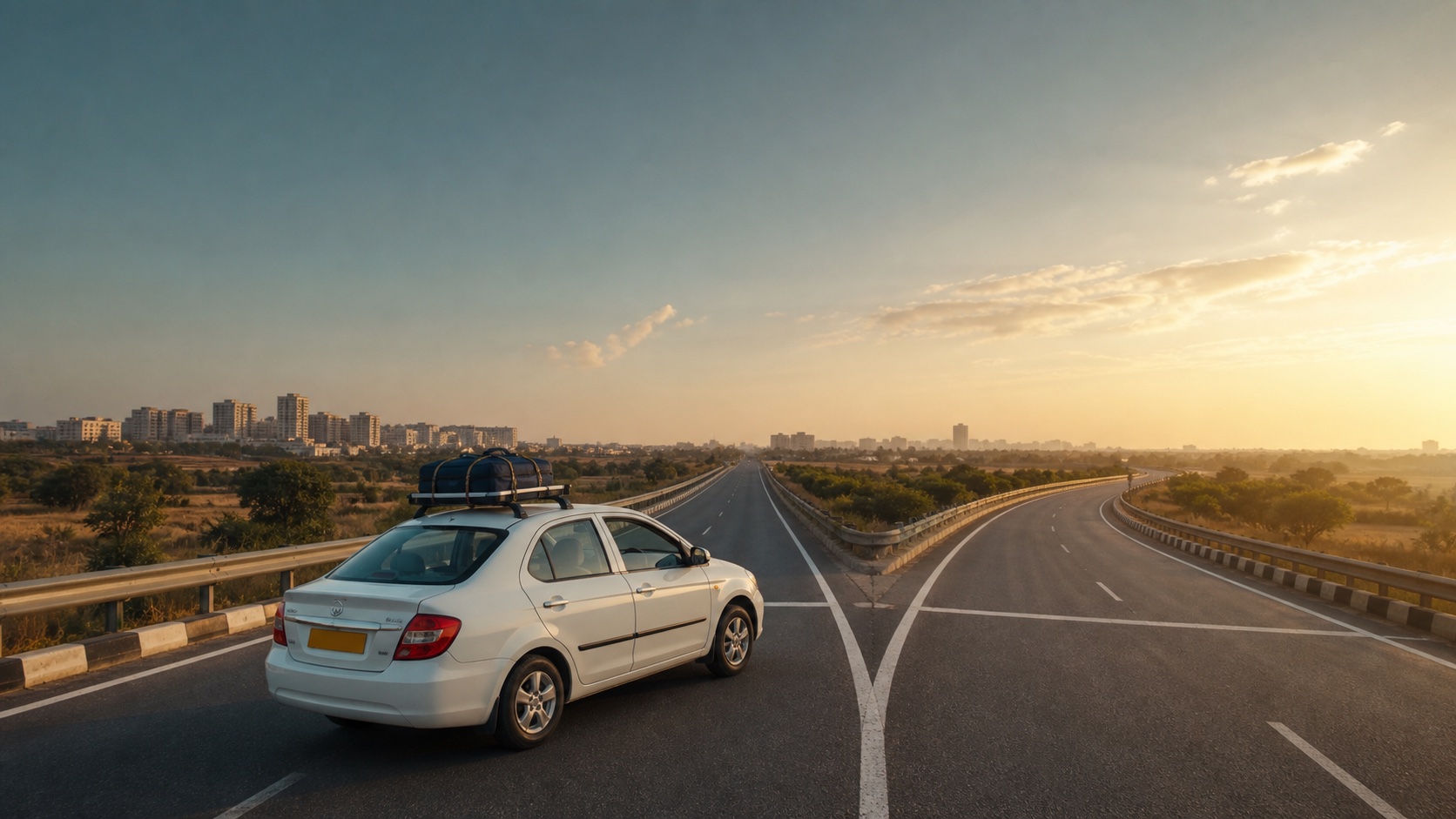

A multi generation family road trip can bring children parents grandparents and other relatives together for a memorable holiday.
However planning a journey for several age groups requires more thought than organising a trip for travellers with similar needs.
Children may need frequent breaks senior citizens may prefer a relaxed schedule and other family members may have different sightseeing food luggage and accommodation preferences.
The goal should not be to fit the maximum number of destinations into the itinerary. A successful family road trip should provide enough time for everyone to travel and enjoy the destination comfortably.
This guide explains how to plan a multi generation family road trip by cab and what to consider before departure.
Start With The Complete Family Group
Before planning the journey confirm exactly who will be travelling.
Write down the number of adults children and senior citizens in the group.
This information will help you choose the vehicle accommodation and overall pace of the trip.
Confirm The Passenger Count Before Booking
Do not estimate the group size when selecting a cab.
Confirm the final passenger count as early as practical.
If additional relatives join later review whether the original vehicle is still suitable.
Understand The Needs Of Different Age Groups
A multi generation trip should not be planned around only one part of the family.
Young adults may prefer a packed sightseeing schedule while children and grandparents may require more breaks.
Discuss important requirements before finalising the itinerary.
Ask About Important Travel Requirements
Before departure ask family members whether there are important requirements that affect the journey.
This may include meal timing mobility considerations medicines luggage or the need for additional rest.
Knowing these requirements in advance can make the itinerary easier to organise.
Choose The Right Cab For The Complete Family
Vehicle selection should be based on passenger count luggage journey duration and travel requirements.
A smaller family may consider a sedan or suitable SUV depending on capacity while a larger family can review appropriate Tempo Traveller options.
Check the actual seating and luggage capacity of the vehicle available for your booking.
Do Not Choose A Vehicle Only By Passenger Count
A vehicle may appear to have enough passenger capacity but luggage can change the practical space requirement.
A family travelling for several days may carry suitcases child related items and other belongings.
Consider passengers and luggage together.
Count Family Luggage Before Booking
Ask each household how much luggage they expect to carry.
Include large suitcases smaller bags backpacks and other bulky items.
This is particularly important for longer holidays and winter journeys.
Do Not Assume Empty Seats Can Hold Excess Luggage
Passenger seating should not automatically become the solution for excessive baggage.
If the group has substantial luggage review whether another suitable vehicle option would be more practical.
Think About Seating Arrangements
Consider how different family members will use the available seating.
Senior citizens children and other passengers may have different requirements during a long road journey.
The seating plan should remain practical for the complete group.
Do Not Overcrowd The Vehicle
Select a vehicle that appropriately accommodates the travellers and luggage within its applicable capacity.
If the family grows after the original booking review another suitable option rather than relying on overcrowding.
Plan A Realistic Journey Duration
A route that feels manageable for a small group of adults may be more demanding for a family travelling with children and grandparents.
Consider the complete travel time and number of breaks required.
A slightly slower itinerary may work better for the family.
Do Not Judge A Route Only By Distance
Distance alone does not show how long or tiring a journey may be.
Traffic mountain roads weather city congestion and rest stops can affect actual travel time.
Plan according to realistic road duration.
Choose A Destination Suitable For The Family
Consider what different family members want from the holiday.
A destination that offers a mix of sightseeing relaxation food and family activities may work better than one focused entirely on demanding outdoor activities.
Do Not Try To Please Everyone With Too Many Destinations
Adding more cities does not automatically make the holiday better.
Every additional destination can mean another road journey hotel check in and luggage transfer.
Choose destinations that fit comfortably within the available days.
Create A Simple Day By Day Itinerary
Write down the major plan for each travel day.
Include the main road journey hotel location priority sightseeing and expected overnight destination.
A simple itinerary helps the complete family understand the trip.
Keep The Arrival Day Lighter
If the family has already spent several hours travelling by road consider keeping the first day relatively relaxed.
A long drive followed immediately by a packed sightseeing schedule may be unnecessarily tiring.
Do Not Overload Sightseeing Days
Trying to visit every attraction can turn a family holiday into a rushed schedule.
Select priority places and keep other attractions optional.
This gives the group flexibility if someone needs additional rest.
Plan Regular Breaks
Long road journeys should include reasonable breaks.
The number and timing of stops will depend on the passengers route and journey duration.
Avoid creating a schedule where every break is treated as an inconvenience.
Travelling With Senior Citizens
Senior citizens may prefer a more relaxed road journey and sightseeing schedule.
Consider meal timing rest requirements medicines and the amount of walking involved at planned attractions.
Keep the itinerary flexible enough to accommodate necessary breaks.
Keep Necessary Medicines Accessible
Important medicines should not be packed deep inside large suitcases.
Keep them accessible according to appropriate storage instructions.
Family members should make sure they have enough necessary medication for the planned journey.
Consider Mobility When Choosing Attractions
Some attractions may involve stairs long walks or uneven areas.
If this matters to members of your family check current accessibility information before making the attraction a major part of the itinerary.
Travelling With Children
Children may require additional food water rest and entertainment during a long road journey.
Keep frequently needed items in an accessible bag rather than placing everything inside the main luggage.
Prepare A Child Travel Bag
Depending on the age of the children consider keeping useful items together.
- Drinking water
- Suitable snacks
- Tissues
- Extra clothing where needed
- Frequently needed personal items
- Simple entertainment
Plan Meals Around The Family
Food requirements can differ across age groups.
For a longer road journey plan reasonable meal stops instead of waiting until everyone is hungry.
If a family member has specific dietary requirements consider them when planning stops.
Carry Drinking Water
Keep drinking water accessible during the road journey.
Do not depend entirely on finding a suitable stop at the exact moment someone needs water.
Keep Snacks Accessible
Light snacks can be useful between major meal stops particularly when travelling with children.
Choose suitable items according to passenger preferences and storage requirements.
Do Not Pack Every Essential Item In The Main Luggage
Prepare a smaller accessible travel bag for frequently needed items.
This avoids having to unload or reorganise large suitcases during ordinary road stops.
Prepare A Family Travel Essentials Bag
- Drinking water
- Suitable snacks
- Necessary medicines
- Tissues
- Phone chargers
- Power bank
- Important documents
- Hotel information
- Booking information
- Frequently needed personal items
Keep Important Documents Organised
Keep necessary identification booking details and other important travel documents accessible.
Do not spread essential information across several different suitcases.
Keep Phones Charged
Phones may be needed for communication hotel information bookings and destination details.
Charge devices before departure and carry suitable charging cables or power banks.
Plan Multiple Family Pickup Points Carefully
Extended families may begin the journey from several homes.
Collect pickup locations in advance and arrange them in a logical sequence where practical.
Avoid unnecessary backtracking across the city.
Consider Common Pickup Points
If several relatives live close to one another they may be able to meet at a common location.
However senior citizens children and families carrying substantial luggage may require more convenient pickup arrangements.
Balance route efficiency with passenger needs.
Ask Everyone To Be Ready Before Pickup
A delay at several different homes can substantially delay the main outstation journey.
Ask family members to finish packing before their expected pickup.
Choose Hotels Carefully
Accommodation can have a major effect on a multi generation family holiday.
Consider location room requirements and the needs of different family members.
Review current hotel information before booking.
Consider Hotel Accessibility
If accessibility is important to members of your family check the specific property before confirming.
Do not assume every hotel has identical lift room or access arrangements.
Choose A Practical Hotel Location
A hotel far from your main sightseeing areas can create additional local travel every day.
Compare the hotel location with the attractions your family actually plans to visit.
Check Hotel Parking When Relevant
If the cab remains with the family during a multi day trip check whether parking arrangements are relevant at the selected accommodation.
Parking availability and conditions can vary between properties.
Plan Room Requirements In Advance
A large family may need several rooms.
Confirm room arrangements before travelling rather than assuming that additional rooms will always be available after arrival.
Keep Hotel Changes To A Practical Minimum
Changing hotels every night can mean repeated packing and luggage movement.
If the itinerary allows consider whether staying longer at selected destinations would make the trip easier for the family.
Plan Sightseeing Geographically
Group nearby attractions together where practical.
This can reduce unnecessary local driving and make sightseeing days easier to manage.
Choose Priority Attractions
Ask family members which places matter most to them.
Create a priority list and keep additional attractions optional.
This provides flexibility without removing the important parts of the holiday.
Check Attraction Timings
Review current opening information for important attractions before visiting.
Some locations may have weekly closures limited entry periods or other conditions.
Consider The Amount Of Walking
An attraction may require considerably more walking than expected.
When this matters to your family review current visitor information before planning several demanding attractions on the same day.
Include Rest Time
Not every hour of a holiday needs an activity.
Some family members may appreciate time at the hotel between sightseeing sessions.
A little flexibility can make the overall trip more enjoyable.
Plan Hill Station Trips Carefully
Mountain destinations can involve longer road times than distance alone suggests.
Check current weather and route information where relevant.
Keep the sightseeing schedule realistic for the family.
Do Not Assume Every Family Member Enjoys Long Mountain Journeys
Discuss the route before planning several mountain destinations.
A holiday should work for the complete family rather than only the travellers who enjoy extended road travel.
Plan Pilgrimage Trips With Flexibility
Multi generation families often travel together for pilgrimage journeys.
Consider darshan arrangements walking requirements weather meal timing and senior citizen needs.
Keep enough flexibility for queues and local conditions.
Do Not Depend On Exact Darshan Times
Queues events and local arrangements can affect the time required at religious destinations.
Avoid scheduling the next major road journey around an unrealistically precise completion time.
Plan Summer Family Road Trips
During warmer weather keep drinking water accessible and consider destination temperature when planning outdoor sightseeing.
Check the latest weather forecast before departure.
Plan Winter Family Road Trips
Winter journeys may involve bulky clothing colder mornings and changing visibility on some routes.
Count winter luggage when selecting the vehicle and check current weather information.
Plan Monsoon Family Road Trips
Rain can affect travel time outdoor sightseeing and road conditions.
Keep a flexible itinerary and review current weather and route information where relevant.
Keep A Backup Plan For Weather
If an outdoor attraction becomes impractical it helps to have another option.
A backup activity can prevent the family from feeling that the entire day has been lost.
Plan A Multi City Family Trip Logically
If the family is visiting several destinations arrange them in a sensible geographical sequence.
Avoid unnecessary backtracking that adds road time without adding value to the holiday.
Do Not Add Too Many Cities
Every destination means another road journey hotel transfer and luggage movement.
A smaller number of well planned destinations can sometimes create a more relaxed family holiday.
Keep The Final Day Lighter
Do not plan several distant attractions immediately before a long return journey.
Leave enough time for hotel checkout luggage meals and the journey home.
Plan The Return Journey In Advance
The return should be part of the original itinerary rather than something decided only on the final day.
Consider expected departure time road duration breaks and the needs of the complete family.
Review The Weather Before Returning
Conditions may have changed since the outward journey.
Check current information before beginning a long return route where relevant.
Share The Itinerary With Adult Family Members
Make sure the group understands the major destinations hotels and travel days.
This reduces confusion and allows family members to prepare for longer road journeys.
Choose One Main Trip Coordinator
One family member can keep the main booking information itinerary and important contact details organised.
This can be easier than several people trying to make different changes at the same time.
Allow Some Personal Choice
Not every family member needs to participate in every optional activity.
When practical allow some travellers to rest while others complete an additional activity.
This can help different generations enjoy the same holiday at their own pace.
Discuss Major Itinerary Changes
If the family wants to add another destination or extend the trip discuss how the change affects everyone.
Consider additional driving hotel requirements luggage and the overall budget before confirming.
Review Your Family Cab Fare
Outstation cab fares can vary according to route travel date vehicle category journey type and booking conditions.
Depending on the booking there may be conditions related to distance tolls taxes parking waiting time driver related charges or additional kilometres.
Review the current fare information for your actual family journey.
Do Not Compare Only The Headline Fare
When comparing vehicle options consider the complete trip requirement.
A lower priced vehicle is not useful if it does not appropriately accommodate the passengers and luggage.
Consider The Complete Holiday Budget
Transportation is only one part of a family road trip.
Also consider accommodation meals attraction tickets shopping and other planned expenses.
A basic overall budget can help the family make practical decisions.
Keep Some Budget Flexibility
Unexpected expenses can occur during travel.
Avoid planning the holiday budget so tightly that every small change creates difficulty.
Example Of A Three Generation Family Trip
Imagine grandparents parents and two children planning a four day outstation holiday.
The family can choose a suitable vehicle according to passengers and luggage keep the first day lighter and prioritise a small number of important attractions.
Medicines snacks water and child related items can remain accessible while the main suitcases stay with the rest of the luggage.
Example Of A Multi Generation Pilgrimage Trip
Imagine an extended family travelling to several religious destinations.
Instead of planning several temples and long road journeys every day the family can arrange destinations geographically and allow flexibility for darshan and rest.
This can make the journey more practical for both younger and older travellers.
Example Of A Multi Generation Hill Trip
Imagine a family planning a hill station holiday with children parents and grandparents.
The group can review mountain travel time current weather hotel location and the amount of walking required at important attractions.
A relaxed itinerary with priority sightseeing can work better than trying to visit every available location.
Multi Generation Family Road Trip Checklist
- Confirm final passenger count
- Identify children and senior citizen requirements
- Count total luggage
- Choose a suitable vehicle
- Plan practical seating
- Choose a realistic destination
- Review complete road travel time
- Create a simple day by day itinerary
- Keep arrival day lighter
- Plan reasonable breaks
- Keep drinking water accessible
- Carry suitable snacks
- Keep necessary medicines accessible
- Keep child related essentials accessible
- Choose practical hotel locations
- Check accessibility when required
- Plan sightseeing geographically
- Prioritise important attractions
- Check attraction timings
- Keep weather flexibility
- Avoid too many destinations
- Keep the final day practical
- Plan the return journey
- Review current cab fare details
- Share the final itinerary with the family
Plan Your Family Road Trip With GetMeCab
GetMeCab provides outstation cab booking options for different types of family journeys including weekend holidays pilgrimage trips one way journeys round trips group travel and multi city road trips.
Families can review suitable vehicle categories according to passenger count luggage destination journey duration and travel requirements.
Vehicle availability fares and booking conditions can vary according to route travel date vehicle category and journey requirements. Review the latest information for your specific GetMeCab journey before confirming the family travel plan.
Conclusion
A multi generation family road trip works best when the itinerary respects the needs of every age group.
Choose the cab according to passengers and luggage plan realistic road travel and keep medicines water snacks and frequently needed items accessible. When children and senior citizens are travelling avoid creating a schedule with no room for rest or unexpected delays.
Choose hotels and attractions carefully and avoid adding too many destinations simply to make the itinerary look bigger.
The goal of a family road trip is not to cover the maximum number of kilometres. It is to give children parents grandparents and other family members enough time to travel together enjoy the destination and return with a trip that feels like a holiday rather than a rushed schedule.