A Mumbai to Shirdi road trip is both an intercity journey and, for many families, an important pilgrimage. Maharashtra Tourism places Shirdi about 240 km from Mumbai by road. Your actual distance and travel time depend on the pickup neighbourhood, the final Shirdi address, traffic, weather, breaks and the route used on the day.
That makes a calm plan more useful than a rigid arrival promise. The Mumbai exit can take time, the ghat section deserves patient driving, and temple crowds can reshape the day. This guide explains how to plan the cab, darshan and return journey as one realistic itinerary.
Returning to Mumbai? Review the Mumbai to Shirdi round-trip cab options. If Shirdi is your final road destination, use the one-way cab page.
Mumbai to Shirdi at a glance
| Planning question | Practical answer |
|---|---|
| Road distance | Maharashtra Tourism gives about 240 km from Mumbai; exact pickup, drop and route change the total |
| Common corridor | Mumbai toward Thane, the Nashik corridor, Sinnar and Shirdi |
| Time planning | Keep a generous driving window plus separate time for breaks, darshan and local movement |
| Best trip style | An overnight round trip is usually calmer than forcing the drive and darshan into a rushed day |
| Return to Mumbai | Mumbai to Shirdi round trip |
| Destination drop | Mumbai to Shirdi one-way cab |
Distance and duration are planning ranges, not guarantees. Check live traffic, weather, road conditions, temple notices and the complete cab fare shortly before travelling.
Which road route is normally used?
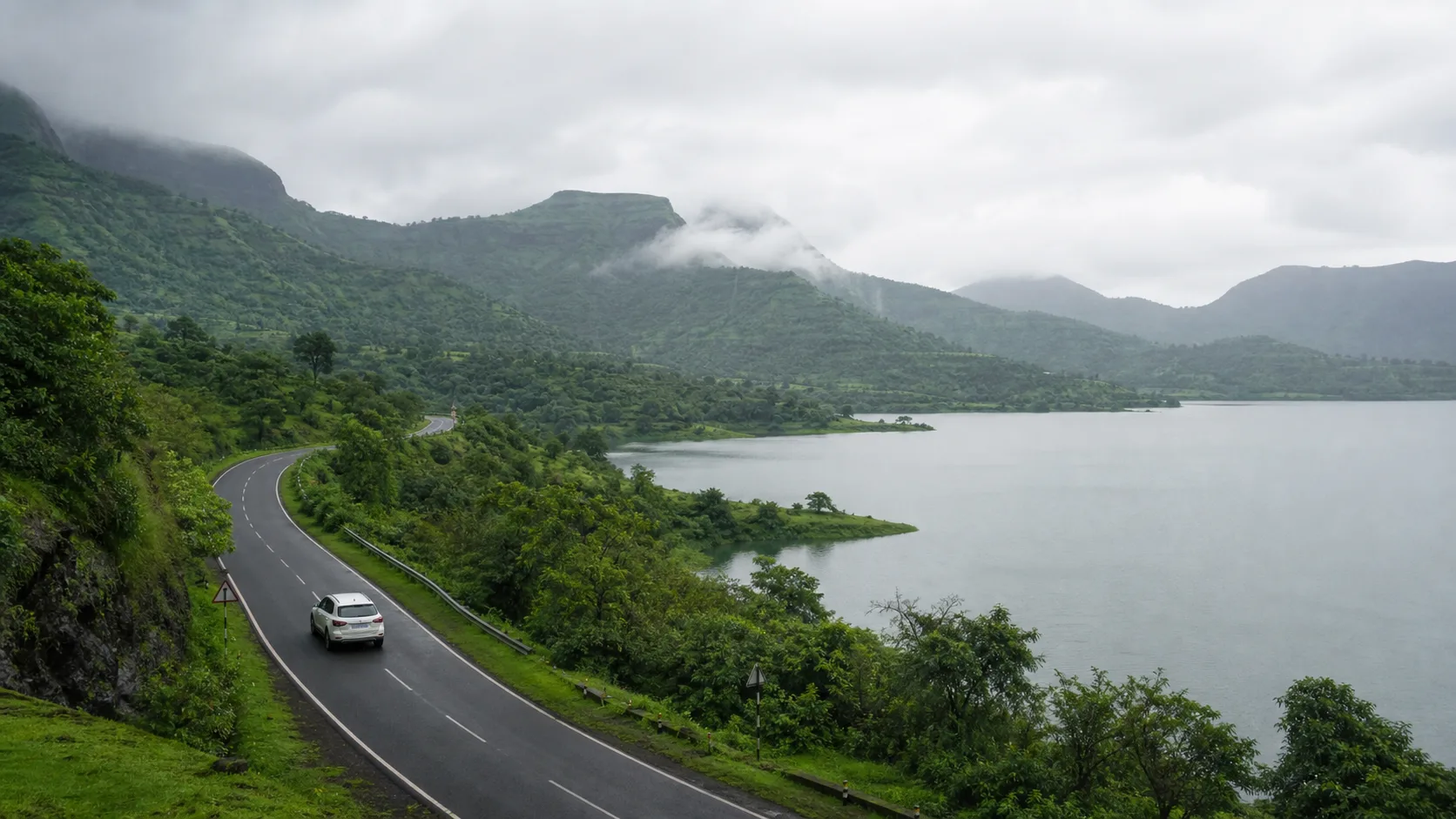
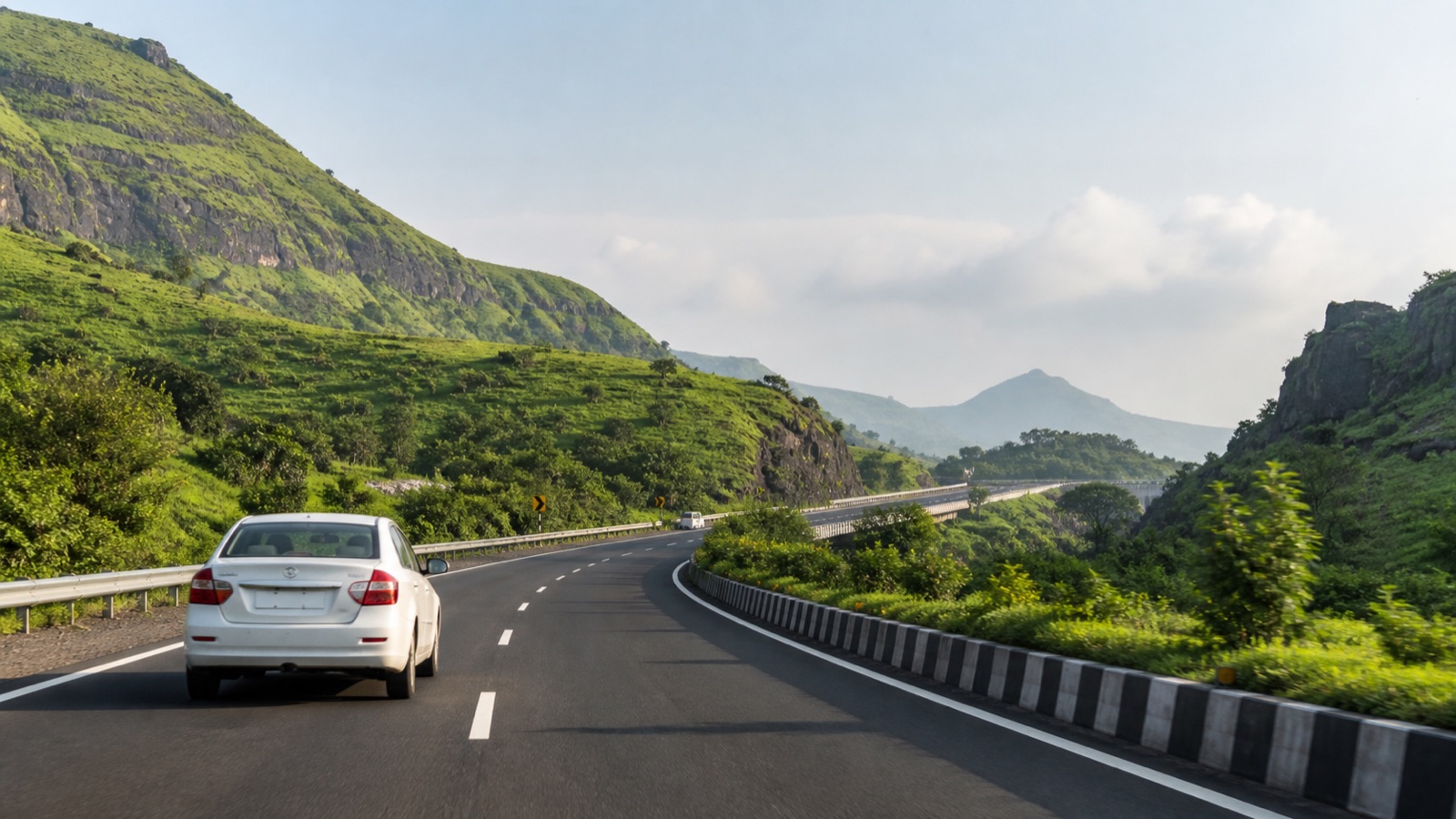
A common journey leaves Mumbai toward Thane and continues through the Mumbai–Nashik corridor before turning through the Sinnar side toward Shirdi. The exact city exit matters. A pickup in South Mumbai, the western suburbs, Navi Mumbai or Thane creates a different first stage, so enter the complete pickup address rather than estimating from a city centre.
Navigation and the driver may suggest a different corridor because of congestion, road work or current restrictions. Treat any route description in an evergreen article as orientation, not a command. The safest suitable route on the travel day is more important than reproducing an old itinerary exactly.
When should you leave Mumbai?
An early, well-rested start can reduce city traffic and preserve daylight for the longer drive. It should not come at the cost of driver or passenger rest. Choose a pickup time everyone can manage safely, then add margin for a proper break and the final approach into Shirdi.
If you have a booked darshan or aarti, do not plan around the fastest map estimate. Weekends, festivals, rain and city congestion can all extend the journey. Consider reaching Shirdi the previous evening when a particular morning temple service is important.
Where should you stop?
One planned stop at a busy facility is usually better than several improvised halts. The best location depends on the pickup and route chosen, but the Nashik corridor offers larger settlements where fuel, food and washrooms are easier to assess.
- Breakfast: stop after clearing the densest Mumbai traffic if the group left very early.
- Mid-journey break: choose a well-lit restaurant or fuel station with safe off-road parking and usable washrooms.
- Medicines and water: keep essentials in the cabin rather than buried under luggage.
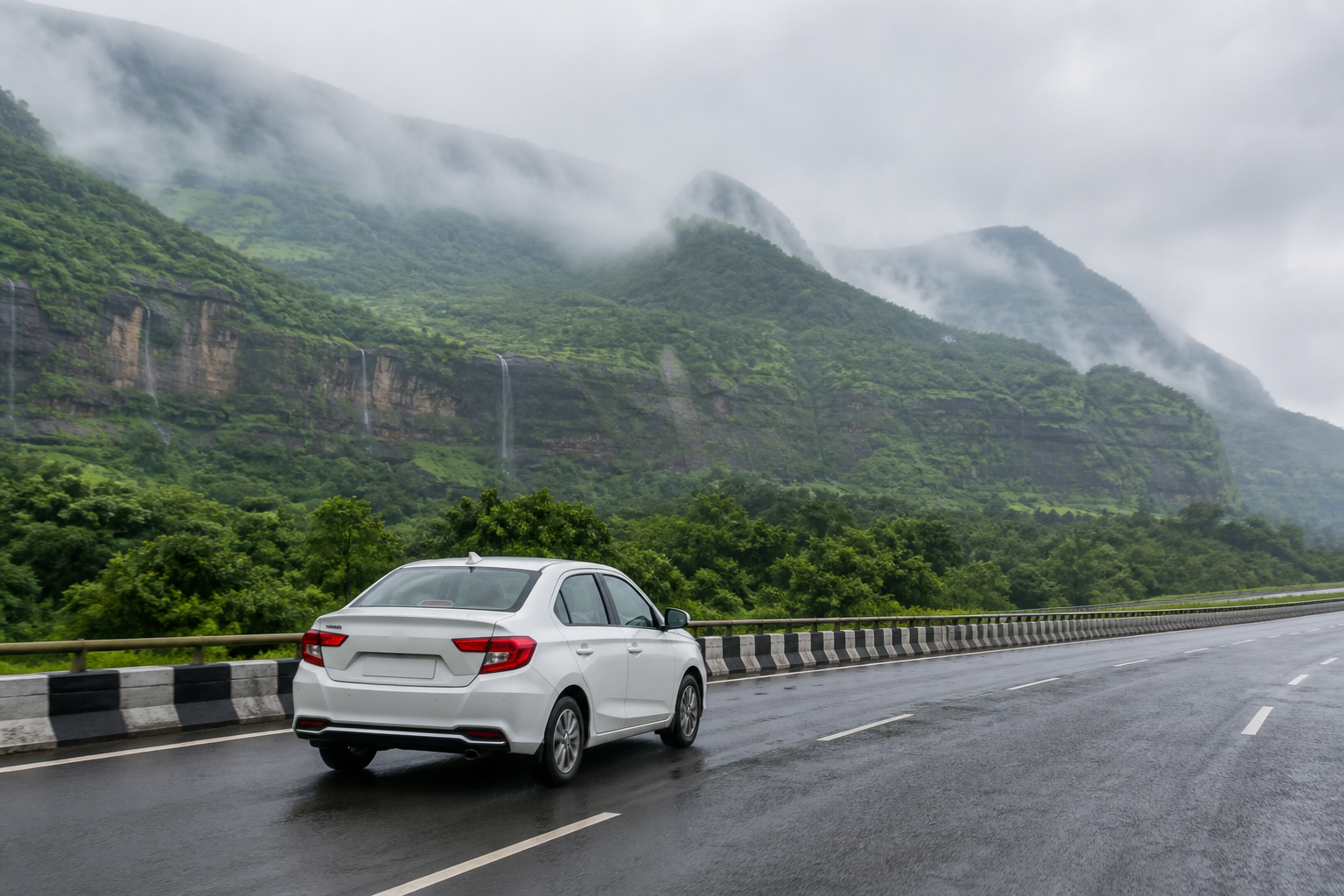
- Ghat driving: avoid roadside photography stops and let the driver slow down in rain or poor visibility.
Restaurants, opening hours and road access change. Check recent information on the day instead of depending on a named outlet from an old blog.
How should you plan Shirdi darshan?
Use only the official Shree Saibaba Sansthan Trust websites for darshan, aarti, accommodation, pooja and related services. The Trust warns devotees about fake sites, agents, phone numbers and map listings. Confirm current availability, identification requirements, procedures and timings directly at sai.org.in or its official booking portal before travelling.
Keep the confirmation and accepted photo identification ready. Do not assume a forwarded screenshot, unofficial package or social-media post is valid. The Trust can change arrangements, especially for festivals or high-crowd periods, so verify again close to departure.
Darshan queues are not a reliable cab departure clock. Agree on a clear pickup point and communication plan with the driver. Keep enough flexibility for security checks, walking, meals, older relatives and unexpected waiting.
One day or overnight?
A same-day return may work when
- the group starts early after adequate rest
- the temple plan is simple and current conditions are favourable
- there are no long sightseeing detours
- the return begins with enough time for safe breaks and driver rest
An overnight stay is usually more comfortable when
- you are travelling with children, older relatives or a larger group
- a particular darshan or aarti matters to the itinerary
- festival crowds or weekend traffic are likely
- you want to visit places within the temple complex without rushing
- you plan to add another destination
The official Trust lists Samadhi Mandir, Gurusthan, Dwarkamai, Chavadi and Lendi Gardens among the important places in the temple complex. Allow time to experience them respectfully rather than treating the visit as a single photographed stop.
Should you add Shani Shingnapur or Nashik?
Shani Shingnapur and Nashik are often discussed alongside Shirdi, but neither is automatically part of a direct Mumbai–Shirdi fare. Adding a destination changes the road sequence, kilometres, hours, parking and driver-rest plan.
Share the complete itinerary before payment. A Mumbai–Shirdi return, a Mumbai–Shirdi–Shani Shingnapur–Mumbai journey and a multi-day Mumbai–Nashik–Shirdi trip are different services. If the additional stop makes the day unsafe or rushed, add a night rather than asking the driver to recover time on the road.
One way or round trip?
Choose one way when
- Shirdi is your final destination
- you will stay for several days and do not need the same cab
- you will return by train, flight, bus or another arrangement
- your onward journey begins from Shirdi
Use the Mumbai to Shirdi one-way cab page and provide the complete pickup and drop addresses. A destination transfer does not normally include temple waiting or local sightseeing.
Choose round trip when
- you will return to Mumbai by road
- you want the onward and return legs coordinated together
- the confirmed itinerary includes waiting or agreed local stops
- continuity matters for a family or pilgrimage group
Start with the Mumbai to Shirdi round-trip cab page. Enter realistic dates and include every planned stop before comparing the live fare.
What affects the Mumbai to Shirdi taxi price?
A trustworthy fare comparison uses the exact service rather than a promotional starting amount. The final quotation can depend on the journey type, date, pickup and drop, vehicle category, included distance or duration, toll and parking treatment, driver allowance, night charges, waiting and extra usage.
- Confirm whether the quotation is one way or round trip.
- Check the exact vehicle category and usable luggage capacity.
- Review included kilometres, days or hours.
- Check tolls, parking, state taxes and driver allowance.
- Ask how temple waiting and additional sightseeing are treated.
- Review extra-kilometre, extra-hour, extra-day and cancellation terms.
Do not compare a direct one-way drop with a two-day pilgrimage itinerary as though they were the same product. Use the live GetMeCab booking flow for the current price and retain the displayed breakdown.
Which vehicle should you choose?
- Sedan: often suitable for one to three travellers with light luggage.
- SUV or MPV: useful for a family, older travellers, extra bags or passengers who value more cabin space.
- Tempo Traveller: suitable for a larger group, subject to actual seats, luggage room and availability.
Advertised seat count does not describe boot space or accessibility. Tell GetMeCab the passenger count, bag sizes and any mobility or child-travel needs before accepting the category. Use the Mumbai cab-service hub if you are still comparing vehicle and journey options.
Before-you-leave checklist
- Verify live weather, traffic and road conditions.
- Use only the Trust's official websites for temple services.
- Carry accepted identification and downloaded confirmations.
- Share every stop and the complete itinerary before payment.
- Confirm fare inclusions, waiting terms and cancellation conditions.
- Keep medicines, water and essential items accessible.
- Allow safe breaks and adequate driver rest.
- Save the driver's details and agree on the Shirdi pickup point.
Frequently asked questions
How far is Shirdi from Mumbai by road?
Maharashtra Tourism gives a road distance of about 240 km. The actual journey depends on the Mumbai pickup, Shirdi drop, route and any additional stops.
How long does a Mumbai to Shirdi cab take?
Use the live map estimate for your exact departure, then add margin for Mumbai traffic, breaks, weather and the final Shirdi approach. No evergreen travel time should be treated as a guaranteed arrival.
Can Mumbai to Shirdi be a one-day round trip?
It may be possible with an early start and a focused plan, but it creates a long day. An overnight stay is generally more comfortable for families, older travellers, important temple services or busy periods.
Where should I book Shirdi darshan?
Use only the official Shree Saibaba Sansthan Trust website and official booking portal. The Trust states that it does not authorise agents for online darshan, aarti or accommodation bookings.
Does a one-way cab include temple waiting?
Not automatically. A one-way booking normally covers the confirmed destination transfer. Include waiting and local use in the enquiry so the quotation matches the service.
Is a Mumbai to Shirdi round-trip taxi fare fixed?
No universal amount applies to every itinerary. Dates, vehicle, included usage, waiting, tolls, parking, allowances and extra stops can change the live price. Review the complete fare breakdown before paying.